

How brands fit into the perfume market in China ?
During the last decade, China has experienced a boom in many sectors thanks to rising disposable income and the development of a consumer culture. The sectors that benefited from this trend is fashion, including cosmetics. But we notice that the perfume market is still underdeveloped in China.
More and more perfume brands want to attract the attention of the Chinese consumers.
Perfume Market in Shanghai
Compared with the cosmetics sector, the perfume market is much smaller expansion (18.8% against 12% growth in 2011). This low growth is explained by the fact that the Chinese customer is not really familiar with fragrance. Indeed, in Chinese tradition, the Chinese were not used to perfume.
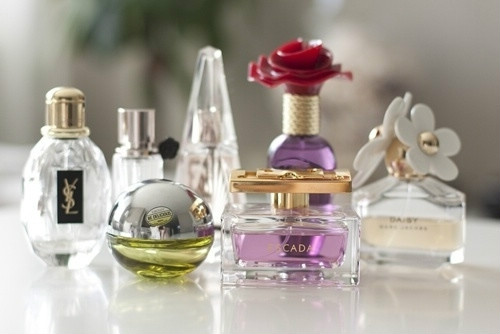
In addition, perfumery products remain fairly limited because the sector is dominated by luxury brands such as Dior, Chanel, Burberry. The Chinese who frequently buy perfumes, prefer to choose a brand they already know and which he is able to identify. The choice to wear a fragrance is much influenced by advertisements, magazines or relatives advice.
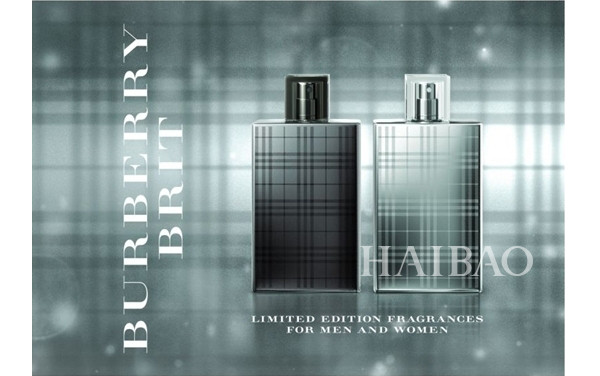
 There is a very appreciated by the Chinese trend is called “the couple perfume” many brands combine a feminine fragrance with masculine scent such as Burberry, it has two version of the BRIT perfume: BRIT for men and for women; or with Calvin Klein CK ONE for her and for him.
The reasons that the Chinese are buying perfume are many, but one main reason remains is to make a gift to someone. The scent remains a simple gift and which is considered as a luxury with the brand name printed on the bottle. However, more and more new customers will consume for their own use.
Guide the choice of perfume
 Brands need to adapt to the local market. Take into account trends like “ke ai” very popular in Asia among young women about 25 years. China is a country with lots of people, tastes are very diverse, for example from North to South, we will not find the same desire to scent. South and west, women are attracted to more fruity scents while in the North, they will be attracted by herbaceous and mineral scents. To ensure success in selling these products, the brand must take into account these different parameters.
Obstacles to market perfumes
 The major challenges faced by brands in the perfume market are first retail. China sales points are not developed enough to promote and extend the knowledge of the Chinese around the product. Sales are made primarily by some specialized resellers but the trust of Chinese is mainly found in major retailers. This is why the integration of brands in the fragrance market in China is difficult.
Moreover, the communication within the Chinese market is very large and the ads are not quite suited to the image of Chinese people.
How to win market share in perfumery using a digital campaign ?
 Extend the information your brand on every possible social platforms to increase knowledge of the consumer.
To improve brand communication it is necessary to insist on a number of points and thus share a maximum knowledge to Chinese consumers, that is to say, develop a campaign that will highlight :
• the way to wear perfume
• The feeling of the person with perfume
• Vary the scents to satisfy all types of consumers
These three points are the key to the success of a brand in order to mark the minds of Chinese consumers distinguishing by particular scents.
What kinds of platforms ?
 With the strong rise of e-commerce in China, set up a website with promotions is paramount. The website should focus on the experience of the user while being informative (show the steps used by foreign cosmetics brands). Good visibility on the Chinese internet allows the brand to assert its position in the market of perfumery.
Chinese consumers pay close attention to the opinions of relatives and professionals so word of mouth or Internet Word of Mouth is important.
Conclusion :
The perfume market has real potential to exploit if you use the right strategies. With the arrival of Web 2.0 and the high rate of Internet penetration in China, it is easier to access a greater number of customers.
More informations about this :
1 comment
Montesquieu
It’s right that the perfume market has real potential to exploit if you use the right strategies. I believe in digital practices for this niche market that Chinese consumers start putting light on the perfume industry. With the arrival of Web 2.0 and the high rate of Internet penetration in China, it is easier to access a greater number of customers.