
Chinese Sportswear and Athleisure Market 2025-2026

Chinese consumers are buying sportswear four or more days a week, wearing it to work, on dates, and at coffee shops. This is not a fitness trend. It is a lifestyle shift, and the numbers behind it are serious.

China’s sportswear market reached RMB 492.6 billion (roughly USD 68.8 billion) in 2023 and is on track to cross RMB 600 billion by end of 2025, according to Euromonitor. In early 2026, general sportswear posted 31% growth year-on-year. Outdoor apparel grew 47%, outdoor footwear 65%. These are not projections; these are reported sales from January and February 2026, and they arrived without any government subsidy program behind them.

If you are a fashion brand looking at China, this market deserves your full attention.

What Is Driving the Market

Three things are pushing China’s sportswear market forward at this pace: rising sports participation, a lifestyle identity shift among urban consumers, and the “old money” aesthetic taking hold on social media.

Sports Participation Has Nearly Doubled

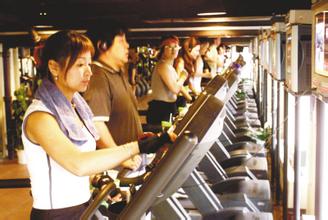
China’s sports participation rate was 30.9% in 2018. By 2024, it reached 49.6%, according to national sports authority data. That is a massive expansion of the active consumer base in six years. More people running, cycling, playing padel, doing yoga, and going to the gym means more people buying performance gear, and then wearing that gear everywhere else too.

Athleisure as Identity, Not Just Clothing

The original article on this site noted that Chinese consumers were starting to prefer Western sportswear over luxury labels. That story has grown more complex. Today, the choice is not “sportswear vs. luxury.” It is about a whole lifestyle system: the right shoes for your Sunday run, the right jacket for Tuesday brunch, the right bag for both. Urban professionals in Shanghai and Beijing wear sportswear four-plus days a week, treating comfort and quality as the new status markers, not logo size.

Searches on Xiaohongshu for “quality recognition” and “craftsmanship recognition” spiked 75% and 60% year-on-year in 2025. Consumers are getting more specific. They know what good fabric feels like, they discuss it online, and they buy accordingly.

The “Old Money” Effect

From 2025 onwards, a specific consumer segment, the aspirational middle class with old money aesthetics, has embraced premium sportswear as part of a broader lifestyle package. This means On Running shoes, Lululemon tights, Arc’teryx shells, and Kolon outdoor jackets. It also means sugar-free drinks, weekend trail runs, and curated Xiaohongshu feeds. Sporty & Rich opened in Shanghai in 2025. That arrival signals something: premium athleisure as a cultural statement is now mainstream enough to support a flagship here.

Who Is Winning: Brands and Market Share

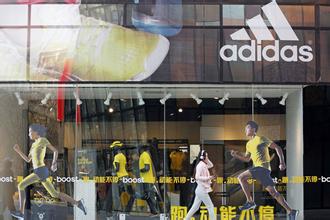
The brand story in China has shifted sharply over the last three years. Nike held 20.7% market share as of early 2025, down from its dominant position a decade ago. Adidas sits at 8.7%. Both are losing ground to local competition.

Anta is now the market leader with 23% market share, ahead of Nike. Li-Ning holds 9.4%. Domestic brands’ combined share of China’s apparel market went from 35.8% in 2020 to 56.1% by 2024. Chinese consumers no longer see local brands as lower quality. Anta and Li-Ning have invested heavily in design, athlete partnerships, and platform-native marketing, and the investment shows.

Lululemon tells a different story in the premium imported segment. Its China revenue grew 41% in 2024 versus the year prior. In Q4 alone, net revenue in China jumped 46% year-on-year. Lululemon is winning because it positioned itself as a lifestyle brand from day one in China, not a gym brand. That distinction matters enormously here.

On Running is growing fast in the premium footwear space. Ralph Lauren, not historically a sportswear brand, posted 88% growth in early 2026 in China, showing that the broader “active lifestyle” aesthetic spills beyond pure performance gear into preppy casual wear that reads athletic.

For international brands entering this market, working with a fashion marketing agency in China from the start avoids the common mistake of treating China as a simple export destination rather than a distinct market with its own rules.

What RedNote (Xiaohongshu) Looks Like for Sportswear

RedNote is where sportswear brands live or die in China right now. It holds 65% share of the initial discovery journey for fashion purchases. If your brand is not on Xiaohongshu with an active, credible presence, you are invisible to the most important consumer segment: urban Gen Z and millennial women with purchasing power.

What Performs Well on RedNote

Posts that work are not ads. They read like personal diary entries with strong visual composition. A typical high-performing sportswear post on RedNote in 2025 looks like this: a woman in a Lululemon Align set photographed at a Sunday morning farmers market in Shanghai, flat lay of her bag contents (water bottle, earbuds, a Japanese snack), caption that reads something like “饿了就跑,跑完就吃” (run when hungry, eat when done). Simple, specific, slightly funny. Engagement rate on posts like this from accounts with 10,000 to 50,000 followers regularly beats posts from accounts ten times larger that read as promotional.

Outfit breakdowns (“穿搭” posts) for sportswear consistently rank among the most-saved content categories. Users save these posts to reference later when shopping. Save rate matters as much as likes on Xiaohongshu, sometimes more, because it signals purchase intent.

Hashtag usage that works: specific activity + location + mood. Not “#sportswear” but “#周末骑行” (weekend cycling) + “#上海” (Shanghai) + a lifestyle tag. The algorithm rewards specificity.

KOC Over KOL for Authenticity

In 2025, the term KOC (Key Opinion Consumer) replaced KOL (Key Opinion Leader) as the more effective seeding strategy for sportswear on RedNote. Macro-KOLs with millions of followers feel polished and distant. A fitness enthusiast with 8,000 followers who posts daily workout content and responds to every comment converts better. Brands like Anta and New Balance China have both shifted budget toward KOC seeding programs for their RedNote presence.

For brands wanting to build this kind of presence, understanding the full RedNote and WeChat strategy for fashion brands is a good starting point before committing budget.

Where Consumers Are Buying

E-commerce is the primary purchase channel. Anta’s online revenue grew 21.8% year-on-year in 2024, now accounting for 35.1% of total group revenue. Tmall and JD remain important, but Douyin (TikTok’s Chinese version) is the fastest-growing commerce channel for sportswear, particularly for brands targeting consumers under 30.

Live streaming converts well for sportswear because the category is tactile: fabric texture, fit, stretch, weight. A 20-minute live stream showing a presenter doing actual yoga poses in a new set communicates more than any product page. Anta runs near-daily live streams on Douyin. So does Li-Ning. International brands that have not yet built live streaming capability are missing real volume.

For brands still figuring out where to start, a clear guide on how to sell fashion online in China covers the channel setup in detail.

Physical retail is not dead but its role has changed. Stores now serve discovery and experience more than transaction. Anta plans to operate 6,900 to 7,000 stores by end of 2025. But the store visit often converts online later, after the customer checks RedNote reviews and compares prices across platforms.

Fashion China Agency’s Approach

At Fashion China Agency, we work with sportswear and athleisure brands that want a real presence in China, not just a translated website and a Tmall store that nobody finds.

Our work starts with positioning. China’s market has clear segments: mass domestic (Anta, Li-Ning), premium imported (Lululemon, On), and niche cultural (Sporty & Rich, Palace). Dropping into the wrong segment is expensive and slow to fix. We do the consumer and competitive research first.

For content, we build RedNote seeding programs using KOC networks in the specific lifestyle categories relevant to the brand, running, yoga, cycling, tennis, outdoor. The content has to feel native to the platform. Posts that look like they were translated from global campaign assets do not work.

We also help brands approach KOL marketing in China with a strategy rather than a list. Not every brand needs a tier-one celebrity ambassador. For most sportswear brands at entry stage, ten focused KOC seedings per week outperform one KOL campaign per quarter.

On the commerce side, we help brands set up and optimize Tmall stores, Douyin shops, and live streaming programs. The technical setup matters less than the content quality and the review ecosystem around the product.

Marcus’s Take

I have watched this market for over a decade, and the thing that still surprises me is how many international sportswear brands arrive in China with a “global premium” positioning that means nothing to Chinese consumers. They spend money on a celebrity signing, launch a WeChat mini-program, and wonder why Anta keeps growing while they stagnate. The problem is not distribution or budget. The problem is that they never understood what Chinese consumers actually want from sportswear in 2025.

What Chinese consumers want is belonging to a specific lifestyle identity, not just a category. Lululemon understood this. They sold a community (yoga moms, morning run clubs, wellness culture) not just pants. On Running understood this too: they tapped into the urban marathon scene and the “running is my therapy” generation. These are not broad claims. They are specific tribes, and Chinese consumers are extremely good at identifying which tribe a brand speaks to and whether it speaks to them authentically.

The brands that get it wrong consistently make the same mistake: they treat Chinese consumers as rational price-quality calculators. They show technical fabric specs, list certifications, compare price-per-use ratios. This might work in Germany. In China, in 2025, the purchase decision for a 1,200 RMB sports jacket is mostly emotional. Does this brand fit the version of myself I want to present on RedNote? That is the real question. Brands that answer it win. Brands that ignore it produce beautiful global campaigns that do not move product in China.

One more thing I would add: do not underestimate domestic competition. Anta now has 23% market share, ahead of Nike. Li-Ning collaborates with serious fashion designers and gets reviewed in the same breath as New Balance in streetwear circles. The days of “Chinese brands are cheap alternatives” are over. Any international brand entering China in 2026 is walking into a market where the local players have better retail infrastructure, better platform relationships, and a strong nationalist tailwind behind them. You need a real reason to exist here, a specific consumer, a specific story, a specific experience that Anta cannot or does not offer. Find that first, then build everything else around it.

Summary: China Sportswear and Athleisure Market 2025-2026

Topic Key Data
Market size (2025 projected) RMB 600 billion (~USD 83.8 billion)
Sportswear growth (Jan-Feb 2026) +31% year-on-year
Outdoor apparel growth +47% (Jan-Feb 2026)
Sports participation rate (2024) 49.6% (up from 30.9% in 2018)
Top brand by market share Anta: 23%, Nike: 20.7%, Li-Ning: 9.4%, Adidas: 8.7%
Lululemon China revenue growth (2024) +41% full year, +46% Q4
Domestic brands’ apparel market share (2024) 56.1% (up from 35.8% in 2020)
RedNote’s share of purchase discovery 65%
Best content format on RedNote KOC lifestyle posts, outfit breakdowns, high save rate
Fastest-growing commerce channel Douyin live streaming

Marcus Zhan is a fashion marketing strategist based in Shanghai. Follow his work on LinkedIn.

Leave the first comment