

According to Statista, China’s overall watch market sales in 2021 reached 9.39 billion USD. It is expected that by 2023, the Chinese watch market will reach 10.89 billion USD, with continuous growth. What are the news trends in the Chinese watch market? If you only consider luxury brands, then you are missing a big part of the market growth. This article will provide you with information about Chinese consumers’ tastes and some trends in the watch market.
The chase after personality and uniqueness
According to a survey of Chinese middle-class consumers conducted by HKTDC Research in 2016, the top reasons for Chinese consumers to purchase watches are: “to bring out one’s personal taste and image” (50%), “a liking for watches” (49%), “as an accessory” (48%) and “time telling” (40%). A considerable number of respondents agreed that “wearing a watch would give an impression of maturity, stability, and punctuality to others”, or that “wearing a watch would give a better image on business occasions”.
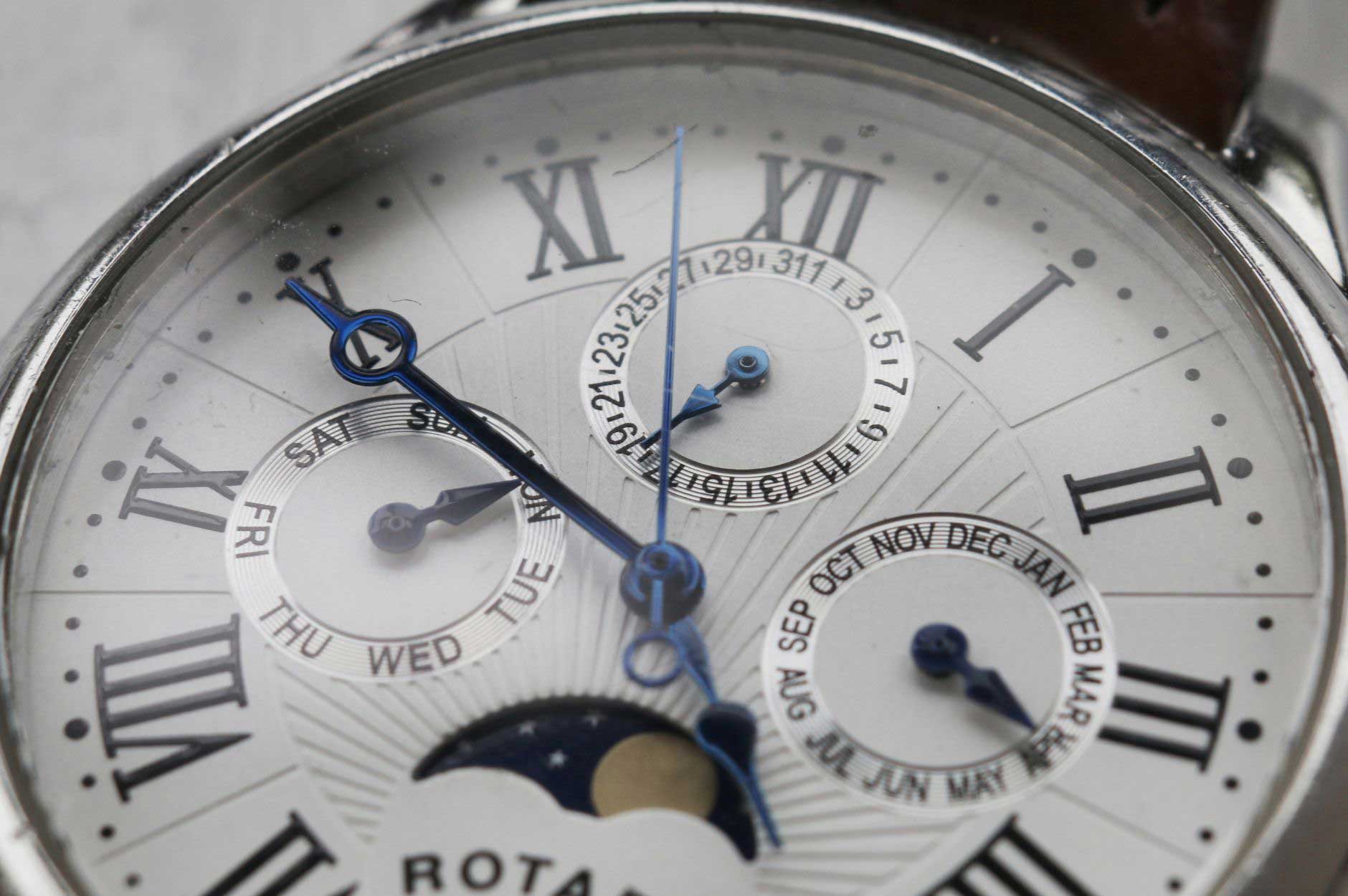
Chinese consumers have developed their own taste and became more demanding in terms of watches design. For many of them, watches are something more than accessory, it is valued as something that is expressing their unique personality and their status, which is very important in Chinese society.
Chinese luxury consumers have already collected all famous high-end brands. Nowadays, they are more attracted by niche brands with new fashion designs and unique brand concepts. Also, Chinese customers and especially the younger generation (Gen Z) have a tendency to seek for watches that can show their personality.
Quality watches are the most wanted
High-quality watches and luxury watches are seen differently from the normal watches, not a tool to know the time but an asset. Swiss watches still have a unique image of high-quality watches, hence more customers are very willing to pay more for it. China does not lack those electric quartz watches at low prices that can suit their different outfits and styles. In the meantime, the export of quartz watches is at a huge volume. If you want to enter the Chinese market, you need to make sure that you have the advantage on the 3 key criteria of Chinese consumers: design, price, and quality.
Different expectation among consumers
Among male consumers, ownership of business watches was highest (69%), followed by casual fashionable watches (69%) and smartwatches (55%). For female consumers, ownership of casual fashionable watches was highest (83%), followed by smartwatches (55%) and business watches (51%). When buying watches, more and more customers are willing to put more emphasis on the style and design than the brand.
The increase of Smartwatches market

Smartwatch has been blooming rapidly during recent years the smart watch has already exceeding the original definition of a “watch”. More and more functions are added to the smart watch products includes texting, making phone call, locate someone, GPS guide, emergency notice, health feature monitoring, sport record, etc.
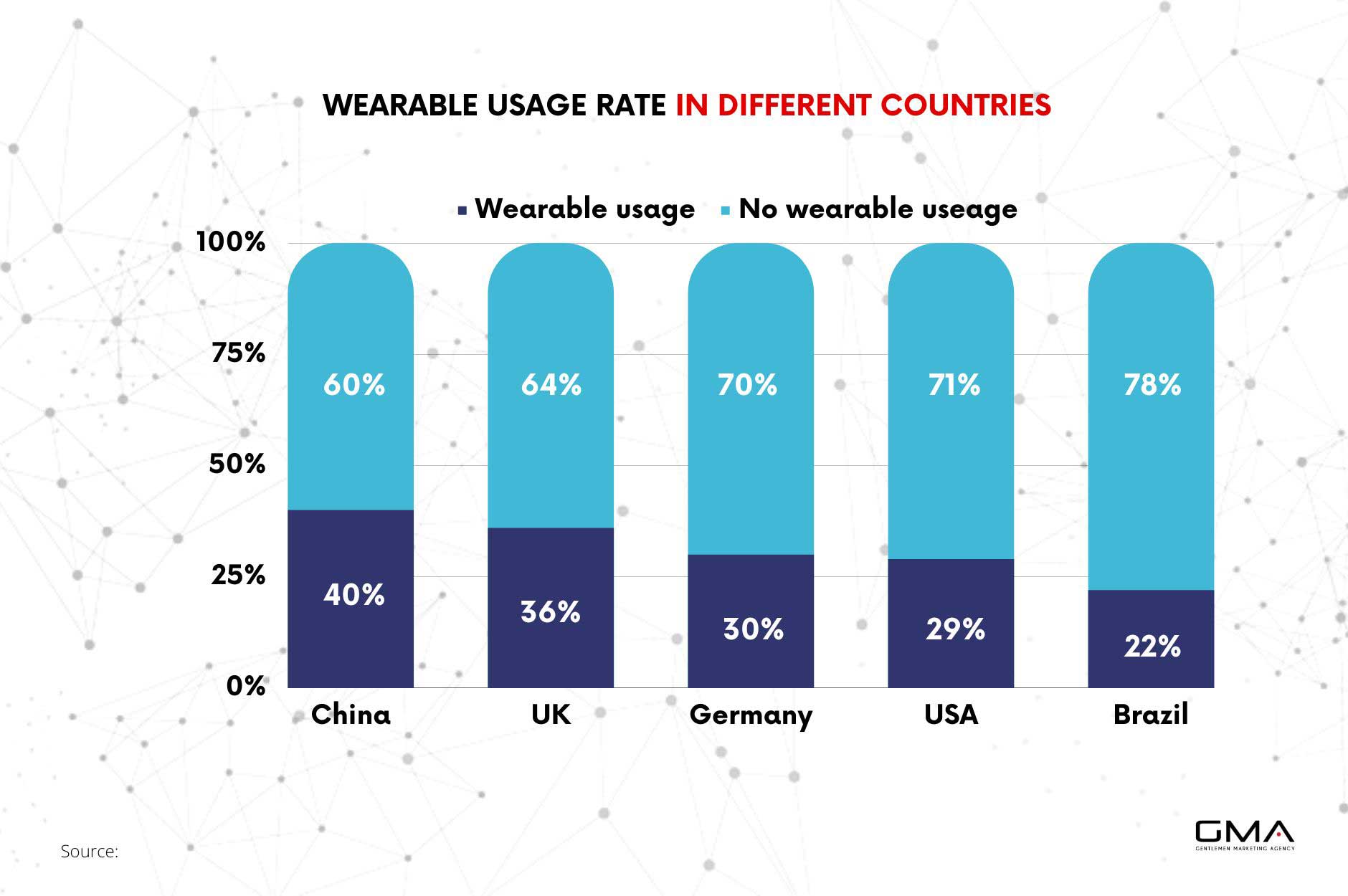
At the same time, more and more people are willing to wear a wearable device for his demand throughout the world. Among all these markets, the Chinese market shows an extreme interest on smartwatch category. According to a report in 2022, 40% of Chinese people have the habit of wearing a wearable comparing to 36% in UK, 30% in Germany, 29% in the United States and 22% in Brazil.
Want to market your product in China ?
Use WeChat for Expertise Content
WeChat is the social media in the daily use of every Chinese people. Doing marketing via WeChat can help increase the visibility as well as attract new customers easily. You can create an official account on WCchat to post anything you want the customers to know about you. Also, WeChat can act as an e-commerce platform and make sales directly via your Wechat store or redirect to your store on other e-commerce platforms like JD, Taobao, or Tmall. In the meantime, brands can provide real time customer support via WeChat which can greatly help increase the shopping experience.

Use Little Red Book to Reach a Wider Audience
Xiaohongshu is a rising Shanghainese app, dedicated to e-commerce and … to shopaholics! What’s the principle of XIaohongshu? The application targets working women between 18 and 35 years old. It is therefore a dynamic and connected clientele, exclusively female, mostly urban, and rather aware of new trends. Xiaohongshu or Little Red Book is a platform that allows buyers to discover new products, share their customer reviews of these products, and exchange ideas and tips.

Compared to WeChat, Xiaohongshu is an open app with a feed. If you use the right hashtags and the right keywords for your SEO, you can end up in the feed of watches lovers. You can also use several tools from paid ads to lucky draws to increase your audience and your exposure on the platform. The majority of watches brands have a Xiaohongshu account to highlight their latest collections and their unique selling points.
Our Case Studies in Watches
- Jacques Lemans
- WeWood
- Christophe Claret
- Jean Rousseau
- Ludovic Ballouard
What is the situation of WeWood ?
WeWood Watches are 100% Natural wood watches made from reclaimed and repurposed woods of various varieties from around the world. The current marketing strategy of the brand is that « for one watch sold, the brand will plant a tree ».
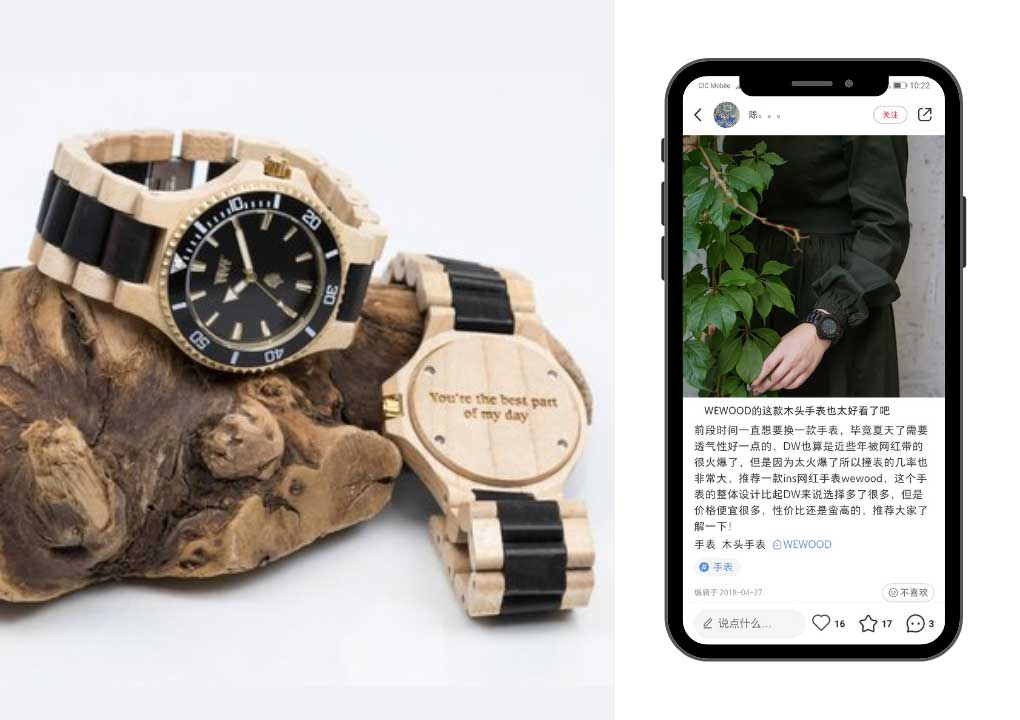
Chinese consumers are very interested in this kind of special watch and the design made of wood is also attractive to a lot of young Chinese people. WeWood needed to raise its online presence to be visible to their target consumers.
How do we market WeWood in China?
We managed a social media campaign for the brand, increasing its e-reputation and promoting its ecommerce platform on Chinese network.
Concretely, we created articles on WeChat, which reached 5,906 views per month. Set up a WeChat store; we also help to build a presence on Weibo with 15 posts and 1 event created, which gained 1,173 followers and huge sharing on the social platform by the end of the project. Our new favorite digital tool Little Red Book was also part of this marketing operation, since we opened a WeWood store on it.
Meet Gentlemen Marketing Agency
GMA, is the expert in marketing and branding in the Chinese market. With a rich experience of more than 10 years, we can handle any problem that you and your brand may meet while entering the Chinese market.
With the recovery from the Covid crisis, the Chinese market is recovering at a rapid pace, don’t waste this opportunity and let GMA boost your project in China. Contact us

Read also:
1 comment
Josie
I love the French & Swiss luxury watch brands, which one is the most popular in China? Rolex, Blancpain and Patek Philippe are my favorites.