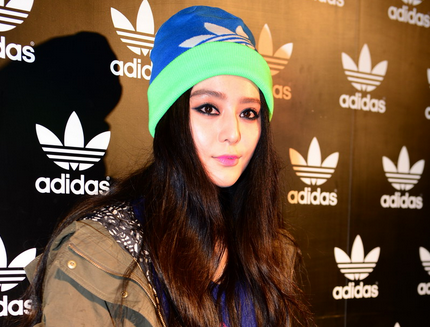
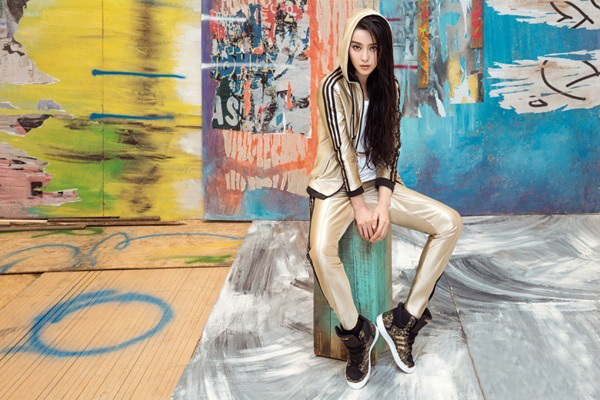
China is the world’s largest sportswear market. Nike, Adidas, and Lululemon are competing for a consumer base that has professionalized its relationship with sport, fitness, and athletic lifestyle in a way that was not visible in 2016. The athleisure trend that was “new” in 2016 is now foundational to how urban Chinese consumers dress, and the brands winning in the category are the ones that understand the cultural shift behind the clothing trend.
The government fitness initiatives, the explosion of gym openings, and the anti-corruption campaign that redirected consumer spending from traditional luxury toward premium sportswear were all visible in 2016. What was not visible was the depth and permanence of the shift.
Where China’s Sportswear Market Stands in 2026
China’s sportswear and athleisure market is worth over 500 billion RMB annually. Nike and Adidas remain dominant but face sustained pressure from domestic brands: Anta, Li-Ning, and Fila China have built serious market positions among younger consumers who want the quality of international brands with the cultural relevance of Chinese design.
Li-Ning’s “China Li-Ning” guochao line redefined what a domestic sportswear brand could mean culturally. Anta’s acquisition of international brands (Salomon, Arc’teryx, Wilson) and management of local brand perception has made it one of the most sophisticated multi-brand sportswear companies in Asia. For international brands, the competitive context is fundamentally different from 2016. Domestic challengers with strong design, strong stories, and deep platform distribution are real alternatives in consumers’ minds.
The Rise of Performance Culture
What changed most between 2016 and 2026 is the consumer’s relationship to actual sport. In 2016, athleisure was fashion: wearing gym clothes as a style statement. In 2026, the consumer base has bifurcated. Part of it is still fashion-led: wearing premium sportswear as identity expression. But a large and growing segment is genuinely performance-driven: runners tracking kilometers on Strava, cyclists doing century rides, gym-goers with periodized programming and protein targets.
This performance segment has high technical expectations. They research gear with the rigor of professional athletes. They read reviews on Xiaohongshu from creators who test products in real conditions. They buy based on authentic performance claims, not brand image alone. Brands that cannot support genuine performance claims with genuine product are losing this segment to the brands that can.
Xiaohongshu and Douyin for Sportswear Brands
Xiaohongshu is where sportswear purchase decisions start. Running shoe reviews, gym kit comparisons, yoga wear sizing guides: this content lives on Xiaohongshu and drives the research phase for both performance and fashion-led consumers. A sportswear brand with no organic presence on Xiaohongshu is missing the platform that most influences its target consumers.
Douyin is where sportswear sells at scale through live commerce and short-form video. A running shoe demonstrated in a 60-second video by a credible fitness creator converts better than any banner ad. A live session from a brand’s Douyin account showing new season product with a real-time Q&A generates immediate sales. Our Douyin agency builds live commerce and creator programs for sportswear and lifestyle brands in China.
The Xiaohongshu strategy for sportswear needs to cover both the performance community (technical reviews, training content) and the lifestyle audience (outfit posts, styling content). These are different creators, different content formats, and different ranking algorithms. Our Xiaohongshu team maps the creator landscape for sportswear brands and builds the programs that reach both segments.
How International Sportswear Brands Win in 2026
- Performance credibility first: Chinese performance athletes are sophisticated. Sponsoring elite athletes and showing genuine sport performance is the baseline for credibility in the performance segment.
- Cultural fluency, not cultural borrowing: The brands that use Chinese cultural elements authentically (Li-Ning’s approach to guochao, Nike’s deep investment in local athlete stories) build lasting brand equity. The ones that do limited Chinese New Year collections with red colorways build nothing.
- Digital-first distribution: Tmall flagship store, WeChat mini-program for CRM and loyalty, Douyin for live commerce and content, Xiaohongshu for organic discovery. This is the minimum viable digital stack for a serious sportswear brand in China.
- Community building: The brands with the most loyal Chinese consumer bases have built communities: running clubs, cycling events, yoga communities, gym partnerships. Physical community drives digital content, which drives brand discovery.
| Platform | Sportswear use case | Content type |
|---|---|---|
| Xiaohongshu | Discovery, peer review, styling | Reviews, outfit posts, training content |
| Douyin | Live commerce, short-video conversion | Product demos, athlete content, live sessions |
| Community, loyalty, events | Running club, VIP program, event booking | |
| Tmall/JD | Transaction, distribution | Flagship store, brand zone |
Fashion China Agency works with sportswear and lifestyle brands on full-funnel China strategies. Our China social media team covers all major platforms with integrated campaigns built around real consumer behavior.
Claire Verot is China marketing strategist at Fashion China Agency. Connect on LinkedIn.
Sources: FCA: Guochao 3.0 | FCA: Douyin 2026


2 comments
Tea-Tea
Very good content! I am myself a Chinese consumer of sportswear goods, I agree with the article and Nogi!
Nogi Bjj
This new foreign sportswear trend is having a direct impact on domestic sales and Chinese luxury retailers as both reported decelerating sales. I think this is the best type of fashion.