
One down jacket style sold about 1 billion RMB in China last year. Its name is 泡芙3116, and it belongs to Bosideng’s “puffer” (泡芙) line. According to a 21st Century Business Herald report republished on 1 July 2026, that category more than tripled year on year and passed 2 billion RMB in sales. It happened during two warm winters in a row. Chinese shoppers did not buy volume for warmth. They bought it for the shape.
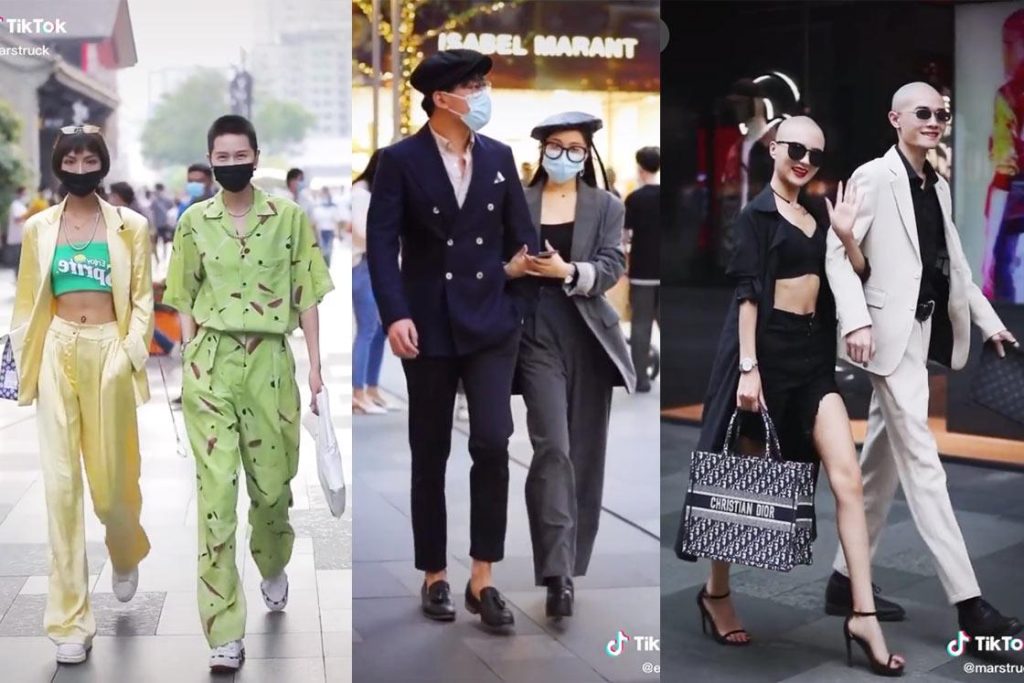
That is the clearest proof I know that oversized is no longer a “this season” trend in China. I see it every morning on my commute in Shanghai. Boxy blazers, wide trousers that pool on the shoe, coats that hide the waist on purpose. Volume has become a permanent silhouette category.
This article explains where the trend comes from, what the 2025-2026 signals say, and how a foreign brand can sell volume without selling shapeless clothes.

What the oversized silhouette means in China
Chinese shoppers call it 宽松廓形 (kuānsōng kuòxíng), “loose form.” It covers deliberately big, boxy or rounded cuts in every category. An oversized blazer worn as a dress. Wide-leg trousers with a long break. Cocoon coats. Boxy shirts loosely tucked. The volume is the design statement. Decoration comes second.
The look became normal between 2020 and 2022, when comfort ruled. What changed after is the way people wear it. Chinese consumers no longer treat oversized as lazy home wear. They style it with precision. They play with proportion, add a belt, show a wrist or an ankle. The goal is volume that looks intentional, not accidental.
What the 2025-2026 signals say
Three signals stand out.
Outerwear leads. The Bosideng numbers above come from its fiscal year to March 2026. Group revenue rose 5.6% to about 27.35 billion RMB. The report says the puffer line moved away from a heavy, traditional image toward lightness, comfort and fashion. China’s National Climate Center recorded 2025 as the warmest year on record, at 11.0°C on average. Even so, a rounded, voluminous jacket became a bestseller.
Xiaohongshu keeps naming loose shapes. An analysis on The Paper (11 April 2025) listed 廓系穿搭, silhouette-led dressing, among the platform’s spring 2025 trends. The same piece describes 巴恩风, a jacket-centred light workwear look launched by Xiaohongshu e-commerce in November 2024. It reached more than 3 billion discussions online, and over 150 representative brands grew after Double 11.
Soft volume is the 2026 version. Xiaohongshu’s spring 2026 apparel report, summarised on Sohu on 24 March 2026, lists “Softfit”: fabric-led, clean cuts, soft textures. Volume stays. It just gets softer and better made.
The same report names “Offduty,” a look that adds roughly 10% sportswear to everyday commuting outfits. Loose cuts make that mix easy. A boxy jacket over a hoodie, wide trousers with running shoes. Volume and comfort now travel together from home to office.
Why Chinese shoppers keep choosing volume
I see three reasons, and none of them is a fashion week. The first is comfort. Long commutes, air-conditioned offices and cold metro platforms reward clothes that move and layer. The second is freedom from the body check. A loose cut does not ask the wearer to fit a narrow ideal, and young Chinese women say this openly in Xiaohongshu comments. The third is value. One oversized coat works over a suit, a knit or a hoodie. That fits a shopper who wants fewer pieces that do more.
The risk for brands is the opposite: a cheap loose cut looks like a mistake, not a choice. The shopper can tell within one photo.
How to sell volume without selling shapeless
Philip Chen, who works with fashion brands at GMA, a Shanghai digital agency, makes a point I agree with. In his view, oversized cuts turn extended sizing into a real fashion advantage. When a brand offers its oversized pieces in a wide size range and presents that range as a styling choice, not as an accommodation, it wins two buyers at once: the one who wants the trend and the one who wants the fit. He adds that outerwear is the category with the most room, and that “how to wear oversized without looking shapeless” content converts best. Fashion China Agency covers the wider picture in its guide to marketing a clothing brand in China.
I have seen the size point play out. The same April 2025 article cites Rightcell, a jeans brand from Foshan, whose “supermodel trousers” reportedly passed 10 million RMB in monthly Xiaohongshu sales. It offers 7 sizes based on body type and height. Fit data sold the product as much as the cut did. If you work on extended sizes, our earlier piece on the plus-size fashion market in China is a useful starting point.
What fashion brands should do now
- Put outerwear first in your China line plan. Oversized coats, boxy blazers and rounded jackets are where volume sells. Give every key coat at least one oversized option.
- Explain proportion on every product page. Show the same piece on two or three body types. Add a line on how to balance it: fitted top under a big coat, slim shoe under wide trousers.
- Seed styling content, not product shots. Brief creators to answer one question: how do I wear this so it looks deliberate? That content gets saved and shared.
- Use fabric to justify the price. Soft volume needs good fabric. A cheap oversized coat collapses. Show drape, weight and lining in short videos.
- Watch the weather, not only the calendar. Two warm winters pushed buyers toward lighter volume. Mid-weight pieces can sell longer than heavy ones.
Luxury outerwear follows the same rules at a higher price. Our case on Moose Knuckles in the Chinese outerwear market shows how a coat brand built demand there.
When the content works, you need a store that converts the traffic. Our China e-commerce team sets up and runs Tmall and Douyin stores for fashion brands, with product pages built around fit and proportion.
FAQ
Is oversized still a trend in China in 2026?
Yes, but the form changed. Xiaohongshu’s spring 2026 report points to soft, fabric-led volume. Bosideng’s puffer results show volume still sells in outerwear.
Which oversized pieces sell best in China?
Outerwear first: coats, blazers, rounded down jackets. Wide-leg trousers come next, helped by detailed sizing.
Does oversized hurt sizing and returns?
It can help. A loose cut forgives fit, and clear size guides by height and body type cut doubt before purchase.
Is volume in China now a permanent wardrobe category, or will structured cuts come back by 2027?
External expert: Philip Chen is co-founder of GMA (Gentlemen Marketing Agency), a separate digital agency in Shanghai. He is not part of the Fashion China Agency team: we quote him as an independent expert on this topic. Read GMA’s view on branding in China or follow Philip Chen on LinkedIn.
Fashion China Agency is an independent agency based in Shanghai, specialised in luxury, fashion and beauty brands in China. Experts from other agencies quoted in our articles speak in their own name.