
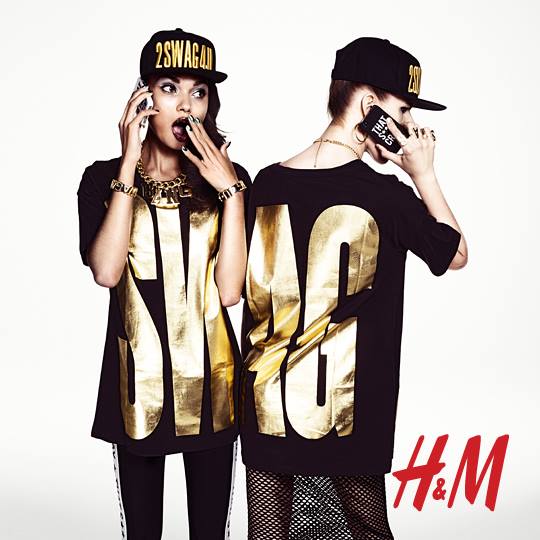
H&M is a Swedish fashion multinational company known for its fast-fashion clothing for men, women, teenagers and children.
H&M has a strong online presence in the Chinese market.
In 2007, the fashion brand expanded its business to China and the Asian giant becomes the retailer’s largest market outside Europe and the US. Nowadays H&M has more than 241 stores in China and its sales in 2013 amounted to $1.13 billion, according to the company.
Due to its popularity among Chinese consumers, H&M is rapidly growing in China. As reported to the company, the number of H&M stores in China is growing at around 15% annually.
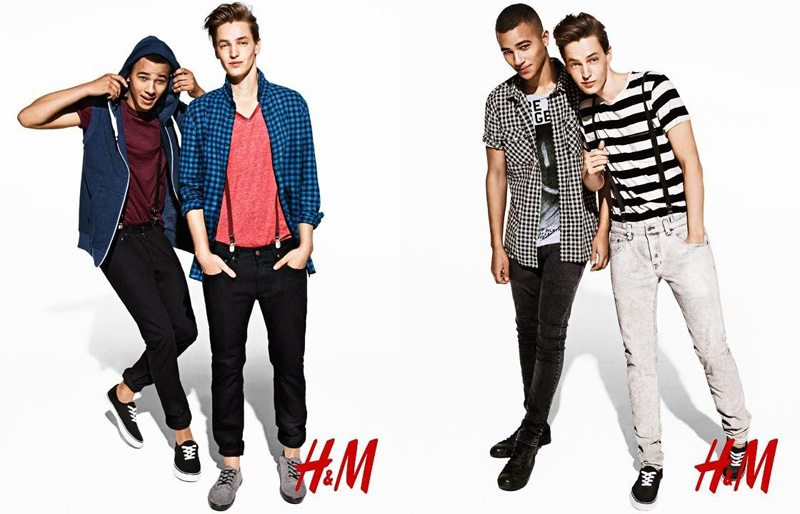
However, in order to expand its business and have success in China, the brand needed to develop efficient and strong marketing online strategies.
E-commerce store:
Online shopping is very popular in China and has become in an important source of sales for most of the companies operating there. Thanks to e-commerce, brands have the chance to reach a vast number of Chinese consumers including cities where they do not have any retail shops
H&M launched its e-commerce shop in China in September 2014. The online store has the brand’s full product line and has included its home ware collection.
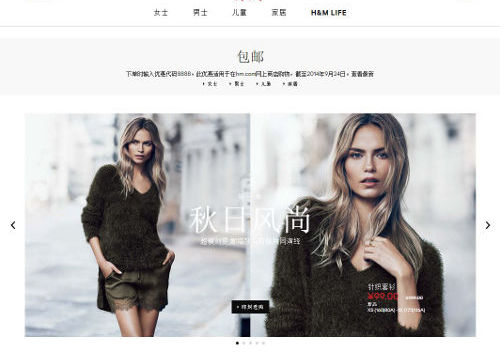
During the first weeks of September the brand offered free shipping and special discounts with the aim to promote their e-commerce site among Chinese consumers
Thanks to the online shop, H&M is expanding its business across China and reaching potential customers from lower tier cities who don’t have access to H&M brick and mortar stores.
Weibo account:
Social media platforms are very important to brands which have business in China. Over the last years, Chinese consumers have become more impressionable by social networks and most of them base their purchasing decisions on information and comments they found on those platforms.
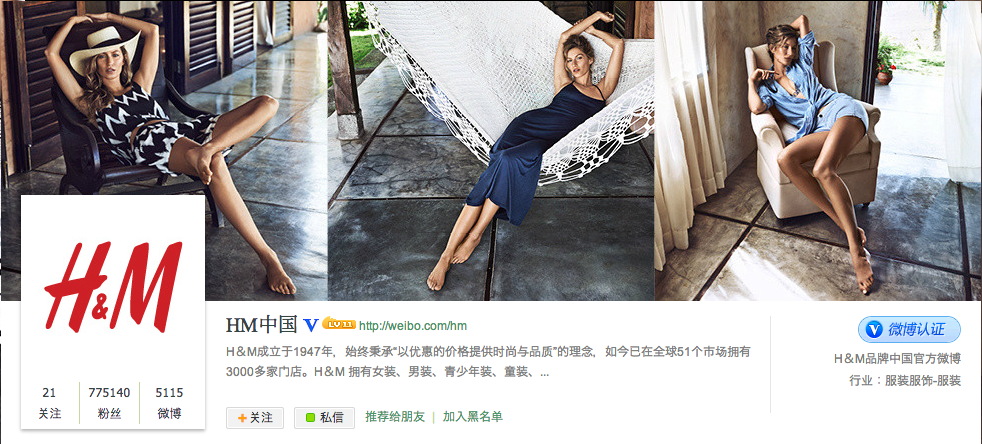
H&M is one of the businesses that has done some great work using social media platforms for marketing purposes such. Take a look at its Weibo.
A successful strategy of the fashion brand on Weibo was used the influence of the celebrity Anna Dello Ruso, a brand ambassador of H&M to promote her collaboration with H&M collection. The night before the collection’s launch, the popular actress wore H&M’s jewelry in an advertisement campaign that her style designer, Bu Kewen shared via Weibo. This successful marketing campaign was shared more than 30.000 times and was commented over 4.000 times with many people asking about where to buy the jewelry.
Thanks to Weibo, H&M has increased the brand awareness and has reached and interacted with a huge number of potential customers. Social platforms such as Weibo as an effective tool to impact on consumers and raise sales targets.
In 2013, the Swedish fashion brand reached more than 7.7 million followers on Weibo.
Creative mobile initiative:
Last year, H&M developed an interesting online site called the “Fashion Mixer”. This initiative was a musical product catalogue which mixed music with men and women fashion with the aim to promote Divided, a summer clothing line of H&M.
Through this mobile initiative, users had the opportunity to design their own customized tracks via their mobile devices and tablets. Each of the 43 items of clothing including shirts, shoes, dresses, coats and accessories had an unique sound effects such as voices, melodies and beats.
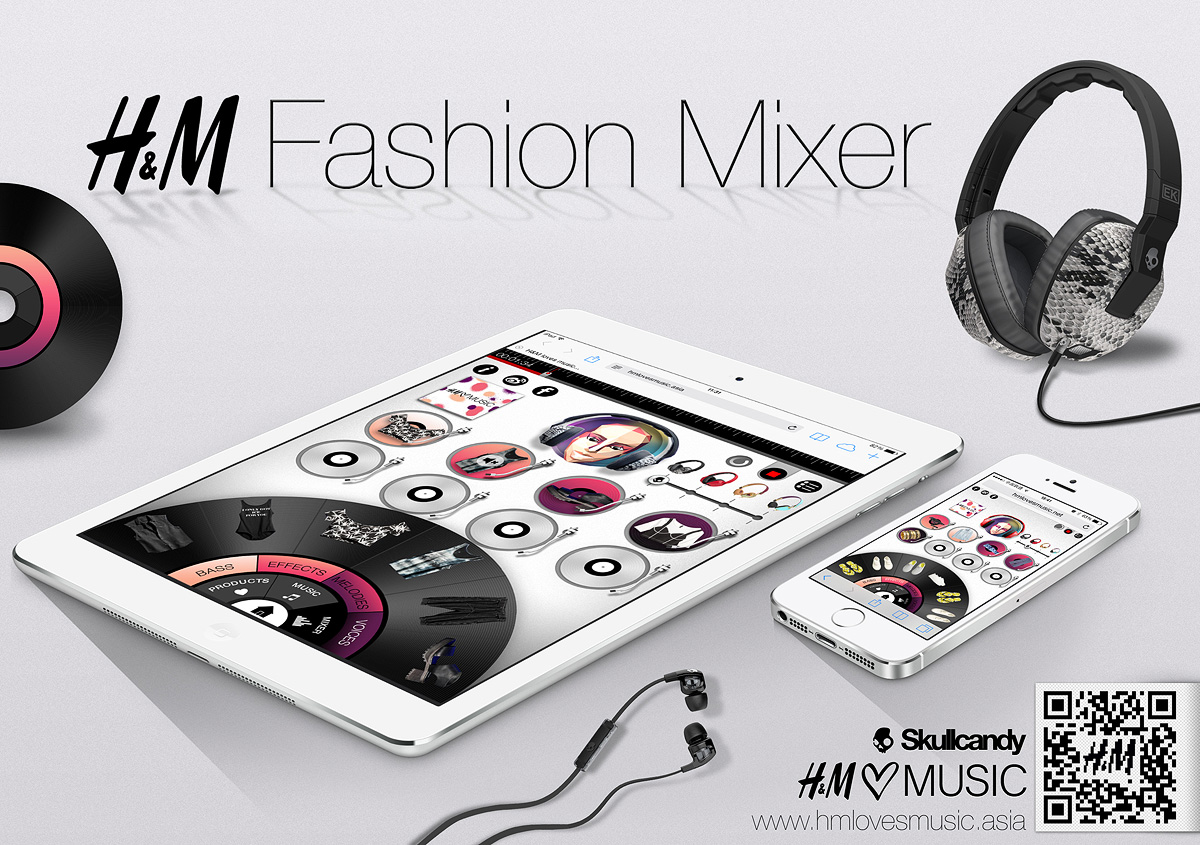
Once they created their personalized track they could share it via social media platforms such as WeChat and Weibo. The tracks with more “likes” had the chance to win Skullcandy’s headphones.
H&M is considered as one of the brands with better marketing online strategies in China. Thanks to its successful integration of digital, H&M has increased its brand awareness and its sales in the Asian giant.
If you are interested in developing a marketing online strategy in China, just contact us.
Further readings
- How fashion brands should use digital in China?
- Chinese women are the prime fashion consumers in China
4 comments
Qi Liu
H&M is successful everywhere! Have you heard about some cultural scandals about H&M in China? Feel like this brand is always avoiding bad buzzes
Dolores Admin
Actually they are often under the spotlight may it be for a T-shirt that lists Taiwan as a country or for a Chinese model that is not “approved” by local beauty standards etc But overall H&M is doing pretty well
Harley
Hello fashionchinaagency.com
SEO Link building is a process that requires a lot of time, in China and oversea… Can be useful for LUxury Brand in China and in the world
If you aren’t using SEO software then you will know the amount of workload involved in creating accounts, confirming emails and submitting your contents to thousands of websites in proper time and completely automated.
Regards, Harley Tice
Norway, NA, Oslo, 193, Karlsborgveien 235