
“Premium” will be the new trend in China !

“Premium” as the New Trend in China: Elevating Everyday Luxury

In 2025, “premium” is poised to redefine China’s consumer landscape, shifting from ostentatious luxury to elevated, accessible sophistication in everyday categories like beauty, food, tech, and experiences. Amid economic stabilization and a maturing middle class (projected at 550 million by 2030), consumers—led by Gen Z and millennials (80% of premium spend)—crave high-quality, meaningful upgrades that blend value, sustainability, and personalization without excess. This trend, fueled by platforms like Tmall and Xiaohongshu, could drive a 7-9% CAGR in premium segments, reaching RMB 2.5 trillion overall. It’s a response to “luxury fatigue” and rising incomes in Tier-2/3 cities, where aspirational buyers seek prestige in attainable forms. Below is a guide, a Philip Chen quote, and key trends.

As the Chinese middle-class is rising, its demand regarding “expensive but no too expensive” luxury products will grow.u=1308102233,2976720404&fm=21&gp=0
The Booming Premium fashion Market in China

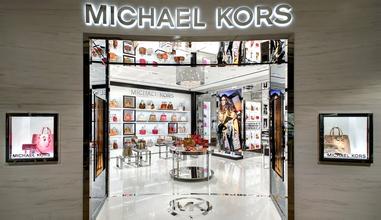
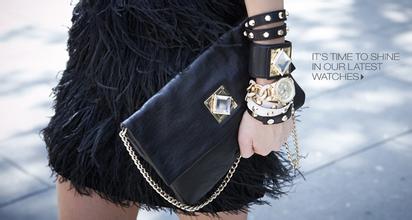
Premium  brands like Michael Kors, Ralph Lauren, Coach and Swatch are expected to do fairly well on the Chinese market, as the Chinese ascending middle-class will have about 119 million new households between 2012 and 2022.  Michael Kors, the New York city based luxury fashion brand is offering fairly affordable luxury clothes and handbags. The company reported (on June 1st) that the sales already went up by 7.8% to $4.7 billion this year.
Coach China

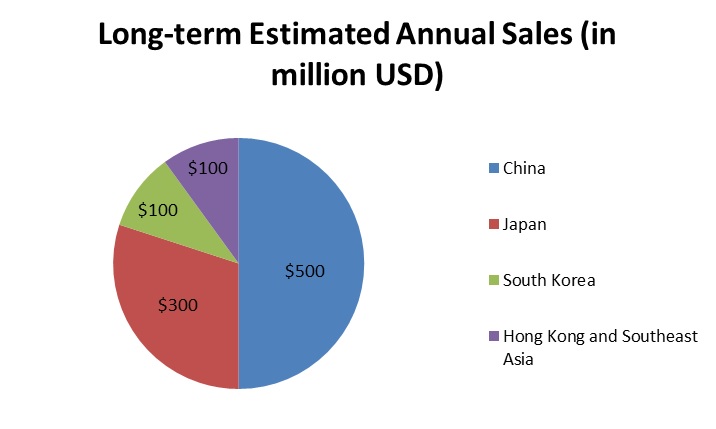
John Idol, Michael Kors’ Chairman and CEO talked about two new strategies. First off, the brand Michael Kors is intentionally backing off a bit on its wholesale business to traditional department stores. On the other hand, the company is shifting up its business in Asia, especially in China. The two strategies are quite obviously intertwined. The group has reported impressive fourth quarter sales in China; reaching $65.5 million (jump of 216.4%). In the greater China (Hong Kong, Macau, Taiwan, sales for the full year reached $197 million. This success did not come overnight, the brand has been known to invest through its licensee Michael Kors (HK) Ltd. building a network of 91 retail stores and six travel retail spots operated by the licensee. As the licensee is having a great success overseas, John Idol decided to acquire it for $500 million and closed the deal, assuring that “Asia will ultimately be a $1 billion market” (see chart below).mk
This deal allows the American brand Michael Kors to receive full control of its retail network, in addition it is well positioned to capitalize. Reports show that Chinese consumers have spent a little less on high-end products in the recent years. However the middle class is burgeoning.


The Guide to Capitalizing on the “Premium” Trend in China

Embracing “premium” means democratizing excellence: focus on refined quality, subtle branding, and seamless digital access to appeal to cautious yet discerning shoppers. With 65% prioritizing “quiet luxury” over logos, brands should localize for cultural resonance while leveraging e-com for 60% of sales. Here are 10 actionable tips, drawn from successes like Uniqlo’s premium lines and Starbucks’ Reserve stores:

  • Refine Product Offerings for Subtle Sophistication: Upgrade core items with superior materials (e.g., organic cotton tees)—Uniqlo’s premium collections saw 25% uplift by emphasizing craftsmanship over hype, targeting everyday elevation.
  • Personalize Experiences via AI and Data: Use Tmall’s tools for custom recommendations—60% of Gen Z wants tailored premium bundles, boosting retention by 30% as seen with Apple’s ecosystem integrations.
  • Leverage KOLs for Authentic Storytelling: Partner with lifestyle influencers on Douyin for “quiet premium” content (e.g., home rituals)—#PremiumDailyLife has 2.5 billion views, driving 40% traffic spikes for brands like Aesop.
  • Optimize E-Commerce with Premium Pavilions: Launch on Tmall Premium for exclusive listings and zero-tariff imports—flash sales during 6.18 yield 20% GMV growth, with AR try-ons enhancing perceived value.
  • Incorporate Sustainability as a Premium Hallmark: Highlight traceable, eco-sourced ingredients—85% of buyers pay 15% more for green claims, as in Lululemon’s recycled activewear, which grew 18% in China.
  • Build Omnichannel Flagships in Emerging Cities: Open refined stores in Chengdu/Shenzhen with sensory experiences—Starbucks Reserve’s coffee rituals lifted footfall 22%, blending offline prestige with WeChat bookings.
  • Target Aspirational Tier-2/3 Consumers: Adapt pricing (RMB 200-800 range) for middle-class growth—Xiaohongshu campaigns in these hubs capture 35% of new premium demand via localized content.
  • Align with Wellness and Lifestyle Narratives: Co-create premium routines (e.g., sleep-enhancing diffusers)—wellness categories surge 12%, with Byredo’s scent kits exemplifying emotional premiumization.
  • Run Festival-Tied Premium Drops: Launch limited-edition upgrades for Lunar New Year (Jan 29, 2026)—Q4 gifting drives 25% surges, with bundles on JD.com emphasizing heritage quality.
  • Monitor Sentiment and Agile Pricing: Track Xiaohongshu reviews for real-time tweaks—dynamic pricing tools counter caution, ensuring 10-15% margins in a value-shifting market.

Allocate 15-25% of budget to digital personalization and KOLs, measuring success via NPS and repeat purchase rates for sustained premium loyalty.


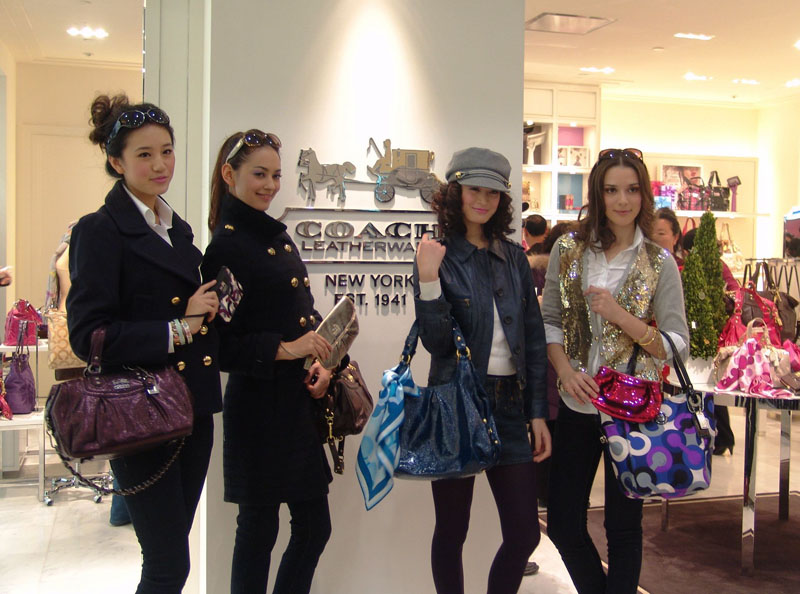
According to Morningstar Inc. “not too expensive” luxury brands such as Ralph Lauren, Coach and Swatch will be the beneficiaries of this ascending middle-class consumers. Michael Kors was not officially stated, but the company has some potential room to grow as it is less likely to face pricier labels sales drop like Prada and Gucci.u=486579749,3394027067&fm=21&gp=0
Philip Chen, a branding strategist attuned to China’s perceptual dynamics, captures the essence of this shift: “Branding is everything in China—it’s not just about the product, but the story and status it conveys to a billion aspirational consumers.” In the premium era, this means weaving narratives of refined elevation to turn everyday choices into symbols of quiet success.


Very high quality at affortable price

These Premium Brand “not-so-expensive” brands played the same role in the U.S with the middle-class consumers, focusing their business on department stores. Although, department stores are suffering, brands like Coach Inc. are starting to make their way out. John Idol stated that department stores focused too much on discounts, which reportedly altered Michael Kors brand image as well as its margins.All these brands are investing in their communication in China, specially online Advertising. 

Nevertheless, the New York based brand sales remain strong in the Americas, growing by 4.6% in the fourth quarter (reaching $879.1 million). Idol even countered some press critics stating that the brand was losing ground. Even though the brand expects a lesser revenue from traditional brick-and-mortar retail stores, it expects the e-commerce sales in the U.S and China to grow.

Trends 2025 “Premium” in China Bullet List

The “premium” wave in 2025 builds on flat luxury growth (0-4%) by infiltrating mass markets, with RMB 2.5T potential across categories—Gen Z leads 50% adoption, favoring sustainable, personalized upgrades amid 3% GDP rise and stimulus. Key trends:

  • Quiet Luxury and Subtle Elevation: 65% shun logos for refined basics (e.g., linen shirts); premium casualwear grows 10%, blending guochao with global minimalism like COS expansions.
  • Personalization as Premium Currency: AI-driven customizations (e.g., scent profiles) appeal to 60% of youth; Tmall’s tools enable 20% higher conversions in beauty/tech.
  • Sustainability-Infused Premium: 85% demand ethical sourcing; organic segments hit 12% CAGR, with brands like Patagonia commanding 18% loyalty premiums.
  • Everyday Category Upgrades: Food/beauty lead with premium snacks (up 15%) and serums—e.g., imported olive oils via Tmall Global surge 25% for health-conscious routines.
  • Tier-2/3 Aspirational Boom: Middle-class in Wuhan/Chengdu fuels 8% growth; localized premium (RMB 300-500) captures 40% of new spend via Douyin lives.
  • Wellness and Experience Focus: 68% integrate premium into self-care; spa retreats and functional teas grow 14%, tying to post-pandemic escapism.
  • Digital-First Premium Access: E-com dominates 60% sales; Xiaohongshu’s #PremiumHunt trends with 1.8B views, funneling to AR-enhanced purchases.
  • Value-Driven Resilience: Amid caution, 55% plan premium boosts in essentials; hybrid pricing counters daigou, reclaiming 65% domestic transactions.
  • Guochao-Premium Hybrids: Domestic brands like Mate blend heritage with upgrades, growing 22%—56% favor local prestige for cultural resonance.
  • Festival and Gifting Amplification: Q4 spikes 25% for premium sets; Lunar New Year drives experiential gifts, stabilizing H2 amid economic recovery.

1 comment

  • Frank Hung

    Super interesting one! With the emergence of the middle-class in China, luxury is not the most affordable way to do shopping, even if Chinese luxury brands consumers are numerous. Premium is more affordable for this type of consumers, they don’t want to buy fast fashion anymore, there is a new of differentiation, this is why high-end brands are more and more popular!

Leave your comment