

Taobao and Tmall, both under Alibaba Group, serve different market segments and play distinct roles in China’s e-commerce ecosystem 2026 , Jack Ma is back, will give Boost to Alibaba
The question behind Taobao or Tmall in 2026
The comparison below is accurate. It is also, for most European brands, the second question rather than the first.
The competitive picture has changed around both platforms. Douyin’s 2025 GMV was reported at 4.4 trillion RMB, growing close to 30%, and Xiaohongshu now closes the sale inside the app where the product was discovered. Meanwhile Bain put China’s personal luxury market down 3 to 5% in 2025.
In a shrinking market with more places to sell, a flagship store with no demand behind it is an expensive way to look available rather than wanted. The deposits, the operations and the staffing are real costs. Many brands do better with eighteen months of content and a cross-border route before committing to the rent.
He is Back 🙂

Fashionchinaagency introduce to marketers, CEO and Manager 10 key facts and data points to help brands understand differences and opportunities for Tmall – Taobao :
here we go
1. Ownership and Structure
- Taobao: A C2C (consumer-to-consumer) platform, often compared to eBay, where individuals and small businesses sell products.
- Tmall: A B2C (business-to-consumer) platform, akin to Amazon, where established brands and retailers operate official stores.
2. Market Positioning
- Taobao: Known for its vast product range, competitive pricing, and informal shopping experience. Popular among price-sensitive consumers.
- Tmall: Positioned as a premium platform, focusing on brand authenticity, quality, and a seamless shopping experience.
3. User Base
- Taobao: Over 1 billion monthly active users (2023), appealing to a broad demographic, including lower-tier cities.
- Tmall: Over 900 million monthly active users (2023), targeting middle- and upper-class consumers seeking trusted brands.
4. Seller Profile
- Taobao: Dominated by small businesses, individual sellers, and niche products.
- Tmall: Home to over 250,000 brands (2023), including 90% of major international luxury brands.
5. Consumer Trust
- Taobao: Perceived as more affordable but less reliable due to the presence of counterfeit goods.
- Tmall: Known for its strict quality control and authenticity, making it the preferred platform for high-end and luxury purchases.
6. Key Shopping Events
- Both platforms participate in major shopping festivals like Singles’ Day (11.11), with Tmall often leading in sales. In 2023, Tmall generated ¥540 billion ($75 billion USD) during Singles’ Day, while Taobao contributed significantly to smaller merchants.
7. Cross-Border E-commerce
- Tmall Global: A dedicated channel for international brands to sell directly to Chinese consumers without a local entity. Over 30,000 brands from 90+ countries operate on Tmall Global (2023).
- Taobao: Less focused on cross-border sales but still a gateway for niche international products.
8. Livestreaming and Social Commerce
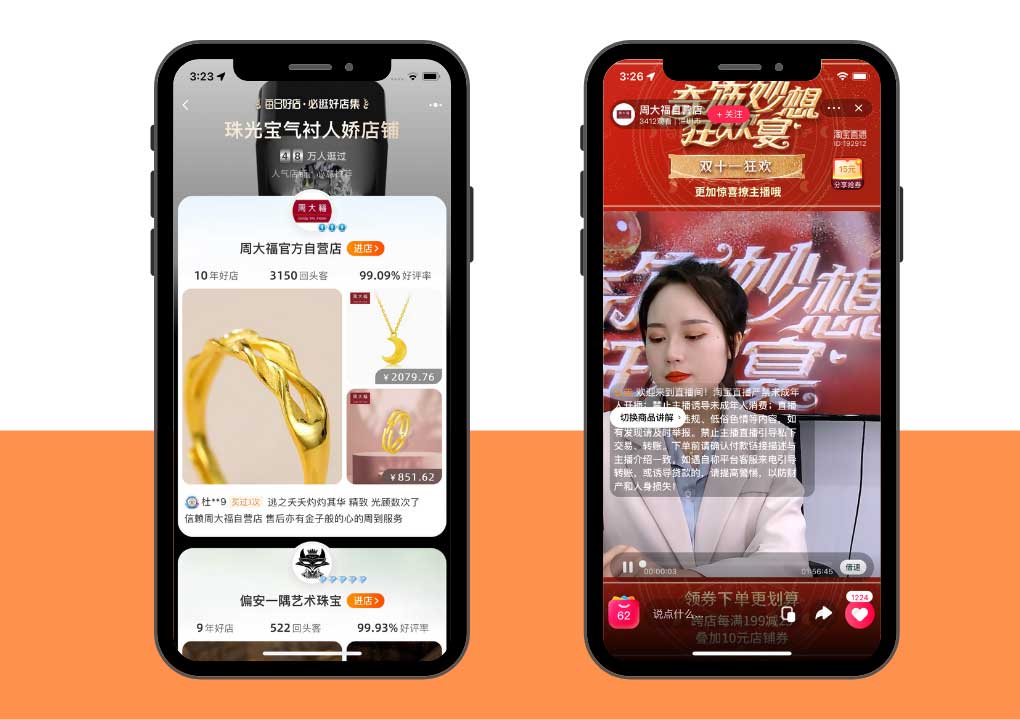
- Taobao Live: A pioneer in livestreaming e-commerce, with over 700 million monthly active users (2023). Popular among small sellers and influencers.
- Tmall Live: Focuses on premium brand experiences, with luxury brands like Gucci and Dior hosting high-end livestream events.
9. Logistics and Fulfillment
- Both platforms benefit from Alibaba’s Cainiao Network, ensuring fast and reliable delivery. Tmall often offers same-day or next-day delivery in major cities.
10. Recent Updates (2022-2024)
- Tmall: Introduced Green Shipping options to promote sustainability (2023) and expanded its Luxury Pavilion to include more niche brands.
- Taobao: Launched AI-powered tools for small sellers to optimize pricing and marketing (2023) and enhanced its livestreaming features to compete with Douyin (TikTok).
Conclusion
- Tmall is ideal for established brands seeking to build trust and premium positioning in China.
- Taobao is better suited for small businesses, niche products, and price-sensitive consumers.
- Both platforms remain critical for brands aiming to capture China’s diverse and growing e-commerce market.
Interview of Philip Chen co-founder of GMA, a separate Shanghai agency. Expert of Tmall
Recently, I noticed something interesting about Tmall. After a few difficult years with strong competition from Douyin and Pinduoduo, the platform is making a real comeback in 2026. It feels like Tmall is getting its momentum back, and this return is quite impressive to watch.
First of all, advertisements on Tmall are performing much better now. Many brands I follow report higher engagement rates and better ROI compared to last year. The ads feel more natural and well targeted, not too pushy like before. I think Alibaba improved their algorithm and data analytics, so the promotions reach the right customers and convert into real sales. This change makes advertisers happier and brings more quality brands to the platform again.
In terms of development, Tmall is focusing once more on trust and premium experience. Chinese consumers became more careful after some bad experiences with cheaper options on other apps. Tmall’s strict seller rules give them confidence. At the same time, the platform added new features like smoother live-streaming, AI recommendations and easier cross-border shopping. These ideas help attract both young shoppers and older buyers who want reliable products.
I believe the economic recovery in China also plays a big role. People have more money to spend on mid-to-high-end goods, which is exactly Tmall’s strength. Traffic is increasing, sellers are investing more, and the whole ecosystem feels alive again.
Overall, this return of Tmall is positive for the market. It creates healthy competition and gives consumers better choices. If the good trend continues, I am sure Tmall can regain its leading position in branded e-commerce. I am curious to see what new ideas Alibaba will bring next. What do you think about this comeback?
If you’re a company looking at the Chinese eCommerce market, then chances are you’ve heard of Alibaba and its two main marketplaces, Taobao and Tmall. But what’s the difference between them? Which one is right for your brand? In this article, we’ll break down everything you need to know about Alibaba’s Taobao and Tmall platforms. We’ll also compare and contrast the two so that you can make an informed decision about where to sell your products. Read on to learn more!
SOURCE
- https://fashionchinaagency.com/why-fashion-brands-need-to-sell-on-tmall/ Explanation: Published October 21, 2025, this article explains why Tmall is essential for fashion brands in China’s digital market. With over 800 million monthly active users, Tmall dominates mid-to-premium fashion sales and serves as a trust signal (official flagship stores reduce counterfeit concerns). It covers benefits like B2D (attracting distributors), data analytics, AI tools (virtual try-on, livestreaming), and how Tmall Global helps foreign brands test the market without a local entity. Strategies include localizing store design, investing in content/livestreams, participating in festivals like 11.11, and aiming for high review scores.
- https://fashionchinaagency.com/tmall-fashion-flagship-store-guide-2026/ Explanation: A 2026 CEO playbook (published April 27, 2026) for building profitable Tmall flagship stores in fashion. It details store types (Flagship, Luxury Pavilion for premium pricing >¥3,000, or Tmall Global for cross-border entry), product page optimization (hero images, videos, reviews), 2026 algorithm priorities (conversion rate, sales velocity, inventory), promotional calendar (618, Double 11, etc.), and 5 common mistakes to avoid. It notes Tmall as the main conversion layer after social discovery, with first-year costs ¥750k–1.9M RMB and ROI benchmarks.
- https://fashionchinaagency.com/tmall-vs-tmall-global-which-is-best-for-fashion-brands/ Explanation: Updated May 19, 2026 comparison of domestic Tmall vs. Tmall Global for fashion brands. Tmall suits brands with a Chinese entity (local warehouses, lower commissions 2–5%, largest user base); Tmall Global is ideal for foreigners (no local company needed, imported goods, higher AOV, bonded warehouses). Includes 2025–2026 data (Double 11 GMV, category growth), pros/cons, AI features, and recommendations (start with Global for testing, consider dual presence).
2 external articles on Tmall in China (independent sources outside the agency site, with practical guides for brands/sourcing):
- https://marketingtochina.com/complete-guide-to-tmall-global-the-leading-chinese-cross-border-e-commerce-platform/ (Updated February 23, 2026) Comprehensive guide to Tmall Global for cross-border fashion/luxury brands. Covers eligibility (overseas entity, genuine imported products), setup (4–8 weeks, via partners or direct), business models (Flagship, TOF consignment, TDI import), costs ($25k deposit, $5–10k annual fee, 2–4% commission), logistics (bonded warehouses, 14-day delivery), and marketing (livestreams, KOLs, data analytics). Ideal for international brands entering without local presence.
What Are Taobao and Tmall?
With the country’s booming economy and many businesses trying to enter China, it can be difficult for foreign companies. The language (Chinese is not easy) barrier along with cultural differences makes this web-based market tough enough as is but these who succeed will make a killing !

Photo source: GMA
That is where the 2platforms come in. Both are e-commerce marketplaces administered by the Alibaba Group that allows businesses to sell their products to Chinese consumers.
You have to know that Taobao and Tmall provide an excellent online shopping experience for millions of Chinese customers in a wide range of goods – categories, convenient payment systems, and even a cost-effective way for businesses to sell their products.
Perfect ecosystem 😉
Histrory; Taobao was created in May 2003, while Tmall was created in April 2008. They conduct an e-commerce deal between business-to-consumer (B2C) and consumer-to-consumer (C2C) retail. However, despite being run by the same company and being interconnected, BUT .. there are some key differences between the Ecom platforms that fashion brands need to know of before they decide to sell on either Taobao or Tmall.
What Are the Main Differences Between Taobao and Tmall?
Looking at Taobao and Tmall, the two platforms show some similarities, but they have some differences that make both marketplaces unique. By understanding these key points, fashion brands will be able to make an informed decision on which platform is best suited for their products.
These are the main differences between Taobao and Tmall:

Taobao vs Tmall: Goods and Services
- Taobao is a great resource for shoppers looking for anything, and it’s a great resource for young business owners that are getting started online as entry fees and requirements are a lot more achievable than on Tmall. Taobao is also Alibaba’s bastion of innovation. The app was the first one in China to play with the concept of social e-commerce with its integrated social media Weitao, and also one of the first ones offering sellers in-app KOLS and live-streaming. Taobao is exclusively open to brands with a legal entity in China.
- Tmall is a one-stop marketplace for China’s most famous brands. It differs from Taobao in that it only sells high-quality goods and services from brands that have been properly examined for value and authenticity. When it comes to their purchasing purpose, shoppers on Taobao are typically looking for the best and good deals, whereas Tmall has the intent to give you comfort as they are able to find you more branded items. Tmall offers a cross-border option that does not exist on Taobao.
Merchants Profiles
The types of merchants found on both platforms are quite different. For Taobao, you’ll find a lot of small businesses and private individuals attempting to sell their products. On the other hand, Tmall is mostly populated by well-known brands, with few exceptions.
In terms of the quality of goods, Taobao has a reputation for being lower quality because it’s easy for anyone to start selling on the platform. There is less regulation when it comes to what type of products are allowed to be sold. In contrast, Tmall requires all brands to go through an extensive verification process in order to sell on the platform. This results in fewer products but the higher quality overall.

Prices range on Taobao & Tmall
- Generally, products on Taobao are going to be cheaper than similar products on Tmall. This is because the platform attracts a lot of small businesses and private individuals who are looking to undercut the prices of larger brands. There is also a wider range of pricing on Taobao since there are no restrictions on what types of products can be sold.
- Tmall, on the other hand, attracts mostly well-known brands who are able to charge higher prices for their products. The platform also has a smaller selection of products overall since all brands must go through a rigorous verification process before being allowed to sell on the site.
Prices & Fees Structure differs widely on Taobao & Tmall
- When it comes to setting up shop, Taobao is going to be the more affordable option as entry fees are quite low. However, commissions fees can differ quite a lot between categories of products. When renewing your store contract after a year, Taobao can decide to increase your commission fees. This usually happens with successful stores that Aliabab would benefit from having on Tmall.
- Tmall is more expensive to get started with. In addition to listing fees and monthly membership charges, you’ll also be required to pay a deposit when you first set up your store. This deposit is refundable, but it’s still an additional cost that you need to be aware of.

What Are the Benefits of Selling on Both Tmall & Taobao?
There are definitely benefits to selling on both Tmall and Taobao – two of the largest e-commerce platforms in China. For one, you’ll have access to a massive market of potential customers. And, because each platform has its own distinct user base, you’ll be able to tap into different segments of the Chinese consumer market.
Another advantage is that you can tailor your B2C strategy to fit each platform. On Tmall, for example, which is geared more towards luxury and branded goods, you’d want to focus on creating a high-end user experience.
Some benefits of selling on both Taobao and Tmall include:
- Increased Online Presence = Increased Credibility:
Building a strong online presence in China can help your brand to develop a good reputation among Chinese consumers. By creating a well-recognized and respected brand, you’ll be able to connect with more consumers, establish trust, and generate more loyal customers. As Taobao and Tmall are two of the most popular online marketplaces in China, it is a good way to increase your online presence, especially since both Tmall and Taobao listing tends to rank on Baidu.
- Reaching More Consumers
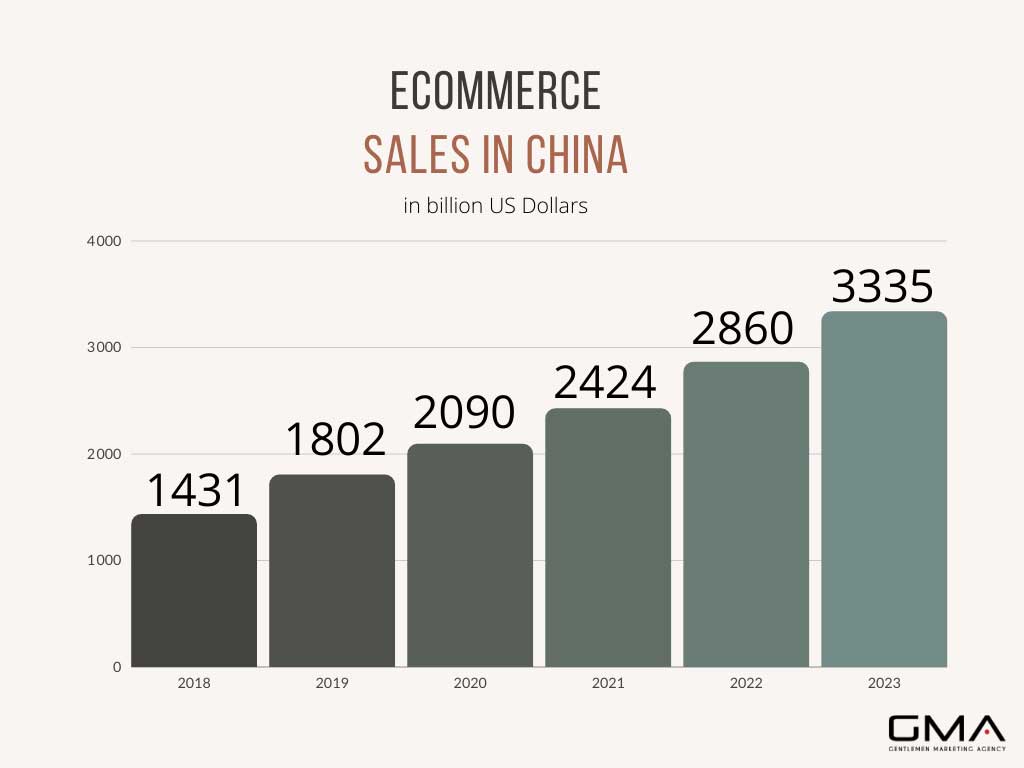
As mentioned earlier, Taobao and Tmall have huge potential in the Chinese market. Being present on both platforms will allow the fashion brands to reach out to more consumer groups and tap into the growing market. They can also expand their businesses to other countries as well.
- Increasing Sales and Profits
Of course, one of the main benefits of selling on both Taobao and Tmall is that it can help to increase sales and profits. As the platforms have a large number of users, it is a great way to boost the sales and profits of the fashion brands that are selling on the platforms.
- Better Branding Opportunities
Both platforms can provide better branding opportunities. The platforms offer a variety of features and tools that can help to promote fashion brands. For example, the platforms offer banner ads and other marketing tools that can help to increase the visibility of the fashion brands and create a good image for them.
What Do Fashion Brands Need To Know When Selling on Taobao and Tmall?
Establishing a good business relationship with the platform is essential. As the world’s leading e-commerce platforms, Taobao and Tmall offer fashion brands a unique opportunity to reach Chinese consumers. With this opportunity comes challenges, as the platform is different from others in many ways. In order to be successful on Taobao and Tmall, fashion brands need to understand these differences and tailor their approach accordingly.
Here’s what fashion brands need to know when selling on Taobao and Tmall:
- Chinese Consumer Is Different
The Chinese consumer is more price-sensitive and value-conscious than consumers in other countries. They are also much more likely to research a product online before making a purchase. To be successful in both markets, fashion brands need to focus on providing good value for the price. This means offering quality products at competitive prices. It’s also important to provide detailed product information and clear product images.
- Different marketplaces = different target audiences
While both platforms are owned by Alibaba, they each have their own unique features and functions. Taobao is a more general marketplace, while Tmall is geared towards branded products. As a result, the two platforms attract different types of shoppers. For fashion brands looking to sell on Taobao or Tmall, it’s important to understand the difference between the two platforms and choose the one that is best suited for their products.
- Good Relationship Is Essential
One of the most important things to understand about Taobao and Tmall is that they are not simply shopping platforms but rather communities.
To build a good relationship with their consumer base, fashion brands need to be responsive to them and the platform’s requests and needs. They also need to be proactive in promoting their products and ensuring a good customer experience.
- Finding a Local Partner Is a Must
Since Taobao and Tmall are Chinese platforms, it’s important to have a local partner who knows the platform and how to navigate the Chinese market. A local partner can help fashion brands understand the nuances of the platform and make sure they are complying with all the necessary regulations. They can also help with marketing and promoting products on the platform.
- Rapid Growth Can Be a Big Factor
The Chinese e-commerce market is growing rapidly, and Taobao and Tmall are leading the way. This rapid growth provides a big opportunity for fashion brands to reach Chinese consumers, but it also comes with challenges, as the platform is constantly changing. To be successful on Taobao and Tmall, fashion brands need to be flexible and adaptable. In particular, they need to be willing to experiment and try new things.
Wondering how to get started on Tmall and/or Taobao?
Photo source: GMA (MarketingToChina)
Contact us, we have solutions for you!
We will guide you through the maze that the Chinese eCommerce landscape is and help you get started on the best marketplace for your goals and your budget
Cindy’s take
The Taobao or Tmall question is usually asked too early. The real question is whether there is enough demand to justify a store at all. A flagship with no traffic behind it costs real money in deposits, operations and staff, and it tells Chinese shoppers that a brand is available rather than wanted. I have seen brands do better with eighteen months of content and a cross-border route before committing to the rent.
— Cindy Zhang, CEO of Fashion China Agency.
Dealing with a partner in China? Our CEO Cindy Zhang explains what to bring and what to negotiate in our free guide, Fashion Retailers in China.
External expert: Philip Chen is co-founder of GMA (Gentlemen Marketing Agency), a separate digital agency in Shanghai. He is not part of the Fashion China Agency team: we quote him as an independent expert on this topic. Read GMA’s view on Double 11 on Tmall or follow Philip Chen on LinkedIn.
Fashion China Agency is an independent agency based in Shanghai, specialised in luxury, fashion and beauty brands in China. Experts from other agencies quoted in our articles speak in their own name.
2 comments
Abdullah
1.5 sene önce Tmall global da e ticaret sayfa açtım. 5 ay gibi kısa süre aktif kullandım. Daha sonra gelen siparişler onaylanmadı gerekçesiyle sayfa giriş kesildi. 1.5 yıllık zararım ve paramı iade etmesini istiyorum.
admin
Do you speak english by chance?