
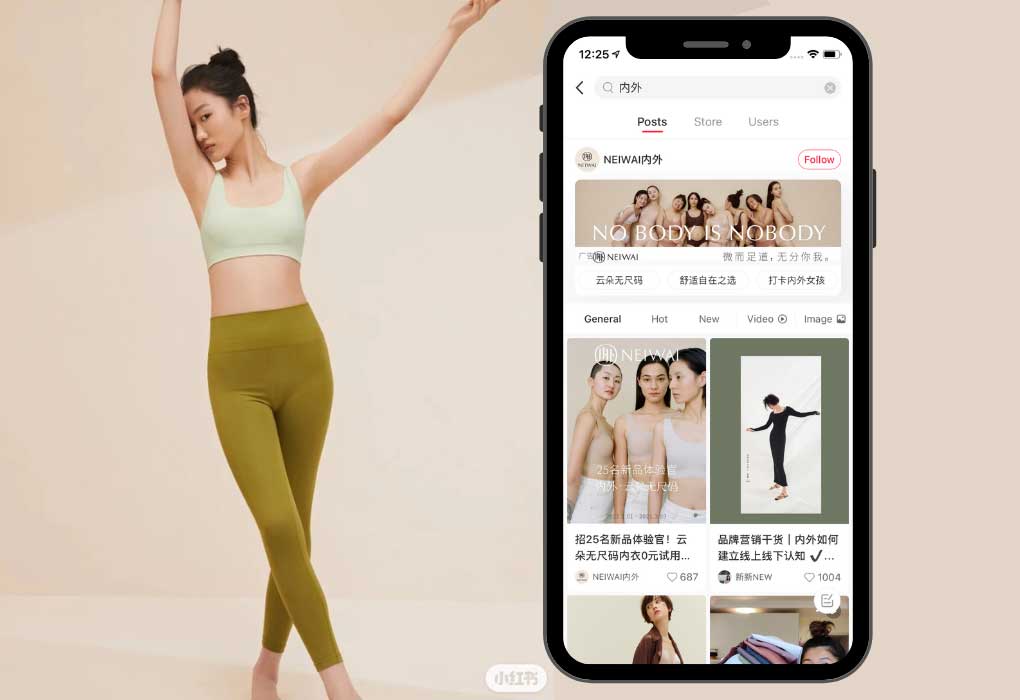
One thing is certain, it is that the subject of lingerie divides cultures and countries. From the manufacturers’ point of view, it is obvious that a woman’s body must be shown to present lingerie products. However, nudity is not accepted in all cultures. It can be complicated for international underwear brands to establish themselves in China, a country with a rather conservative culture.
The trends, models, colors, and existing materials are almost endless and therefore allow lingerie houses to offer varied models. But then again, each country has its preferences, and simply selling the products in several countries is not a valuable option. Get informed about market trends and take into account some factors.

China Lingerie Market Outlook
The China women’s lingerie market was valued at $26.36 billion in 2020 and is projected to reach an estimated value of 42.51 billion by 2026 with a growth rate that year standing at 6%. Furthermore, this data shows how much more than 60% (over two thirds) belongs specifically towards the ChineseRESULTS
Here are some trends in the Chinese Lingerie Market:
- Lingerie high-end market
- Emphasis on comfort with wireless bras
- Body Diverse
- Online shopping
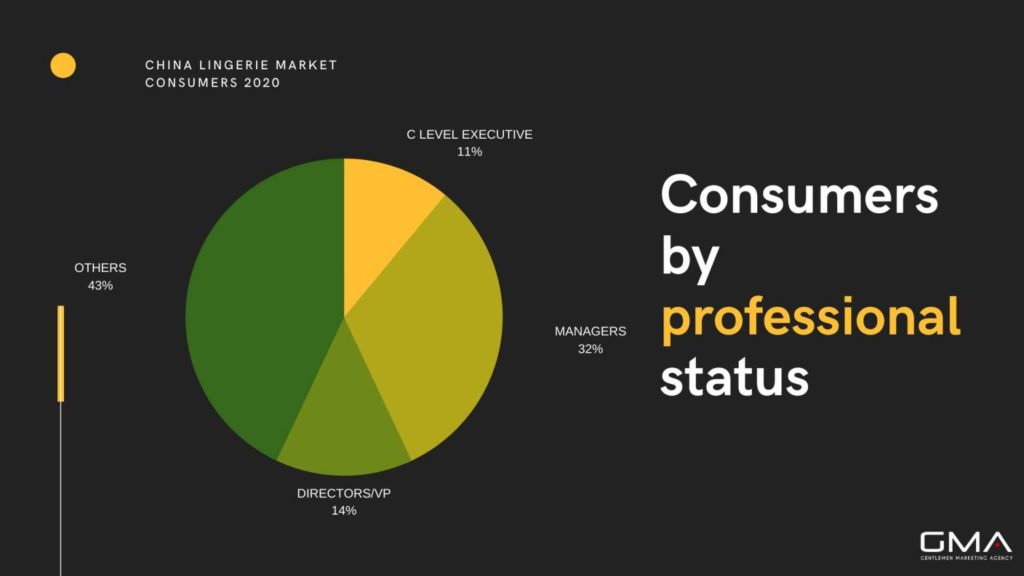
The main buyers of lingerie in China are women between 24 and 35 years old. They represent 78%, while men account for 21%. Young women make attractive targets due their insatiable curiosity and strong consumption habits that marketers can capitalize on.
In Fashion, Never neglect cultural aspects, also true for the Chinese underwear market
Asian countries are generally more modest than European countries and nudity can very easily be assimilated into sexuality. Lingerie is still a taboo subject of its personal and intimate use. It is interesting to note certain differences in terms of international tastes and colors; for example, when Western countries prefer lace and transparency, Eastern countries prefer padding and are looking for the comfort factor.
Lingerie Brands in China need Localization: the example of colors
Just like in any market, successful brands are the one that understands consumer preferences. In the middle kingdoms, you’ll have to adapt to Chinese consumer tastes and layout a general consumer strategy & market entry strategies before getting started.
There are many cultural criteria you’ll have to deal with one of them being colors. With Underwear especially, colors matters are they convey a lot of meaning.
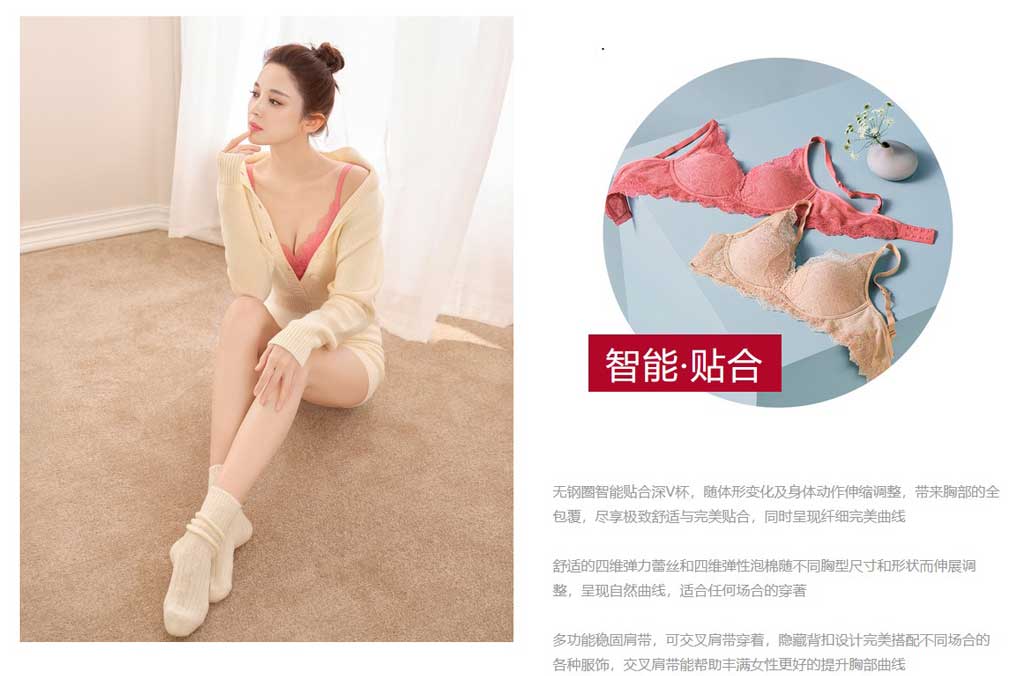
Colors, in particular, are a very interesting factor to study. When in Europe women wear a lot of black, white, or red to feel sensual, Chinese women have a preference for soft tones and pastel colors like pale pink.
Furthermore, China adopts a cultural color code that attributes certain qualities to colors, while others are simply to be avoided:
- Yellow is assimilated into pornography
- Green relates to infidelity and anger
- Gold is a color that symbolizes prosperity
- Red brings good luck, especially during Chinese festivals
- White is associated with mourning or purity
- Black related to death as in most cultures
- White and black together symbolize harmony
- Pink is associated with beauty and love
- Purple symbolizes wisdom
- …
China Lingerie Markets: Opportunities for Western Lingerie companies
A Booming Lingerie Market where Chinese and international brands are competing to win over female consumers. When some bet on comfort and elegance like Gujin for example, others value audacity in the image of European women, like Aubade for example.
The gradual liberation of the female body in China Is an opportunity
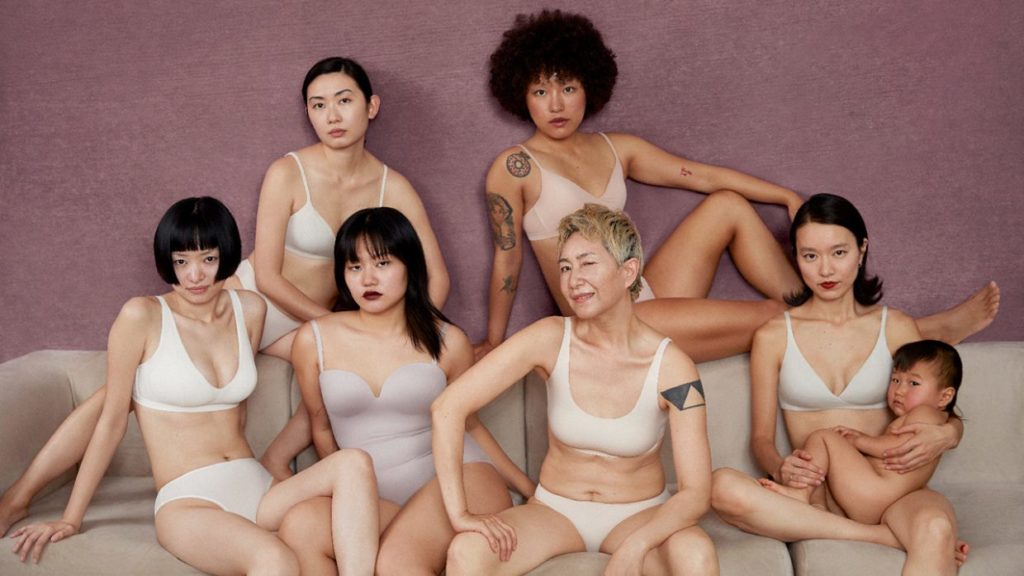
New trends are emerging with the new Chinese generations; globalization has helped young Chinese women to free themselves from cultural prejudices. Women no longer hesitate to assert themselves and accept themselves.
For example, the Chinese brand NEWAI did a campaign to show each type of woman’s body to highlight self-acceptance and diversity. This is the reason why a window opens for international brands who would like to conquer the Chinese market, without neglecting their sexy image. It is necessary to consider all the bodies and to adapt to all women to seduce them.
How to market western brands of underwear in China?
The secret lies in the adaptation of the products to Asian measurements but also in the choice of campaigns, models, and postures used in communication campaigns. Success seems promised for brands that will find the right balance between sexy and comfort. Staying away from any provocation, without forgetting to adapt the ranges to all types of women is a key combo to succeed.
To out-compete local brands, Branding is key
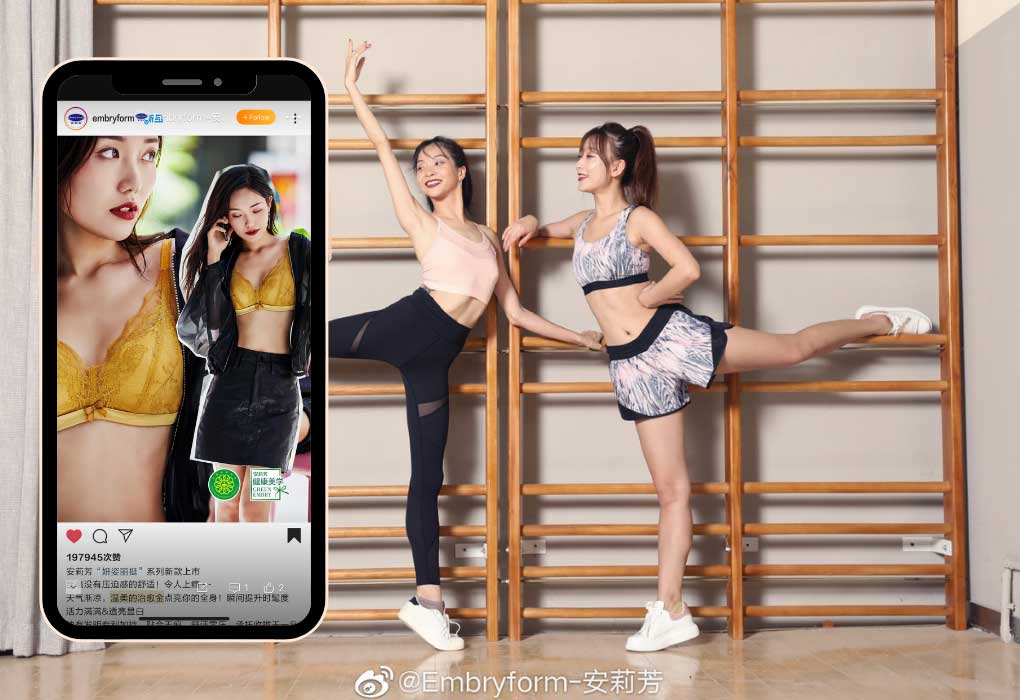
The communication of a lingerie brand is as important as its positioning. Knowing first who are your targets is the absolute basis of the underwear market. The market is booming especially for the millennials, more and more demanding new patterns, and trends to spend their money. Brands that want to enter the Chinese market have to build a strong brand DNA and know exactly how to reach their target.
Many options are possible; entering the comfy market is perfectly fits Chinese women’s existing demand. On the other hand, choosing to bring sexiness and audacity as a new brand DNA is riskier but less competitive than the comfy segment. Whatever the chosen segment is, the brand’s e-reputation has to follow the path.
Lingerie Brands in China need E-reputation
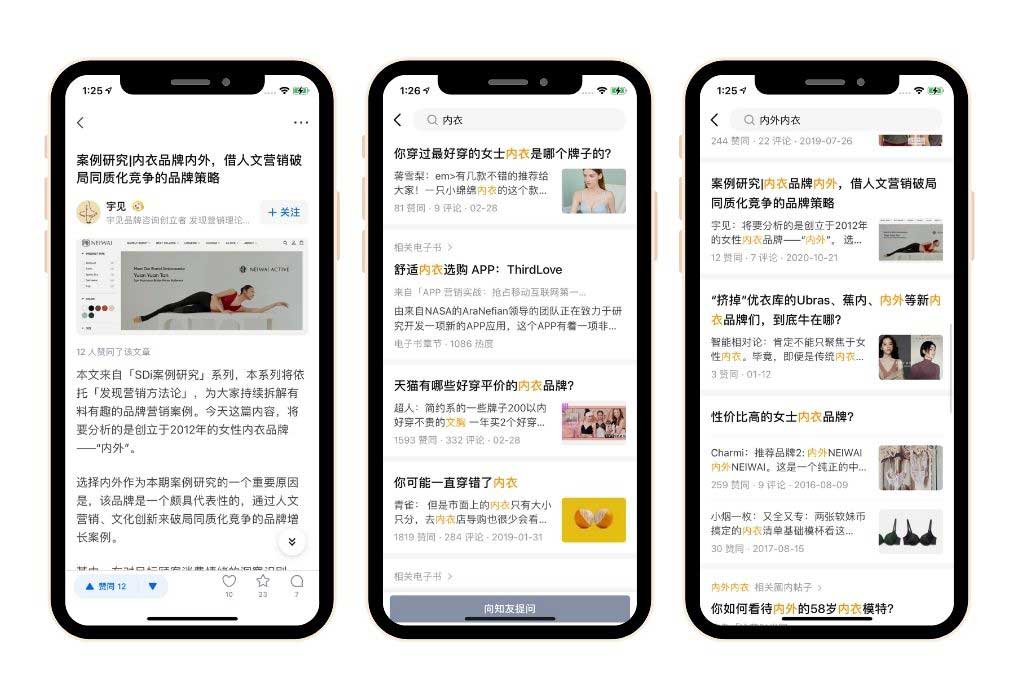
To set yourself apart in this competitive market, you’ll have to work on your e-reputation: meaning, you need a strong focus on Online Chanel. This is the way to go, and the two only alternatives are:
- You have a powerful network in China
- You are a huge brand (To be honest, even big lingerie brands are focusing heavily on Oline reputation Management)
Thanks to the numerous Chinese Social Media and e-commerce platforms, you are not constricted when choosing your channel, allowing you to find the best fit for your goals and your budget.
Here is a list of channels to consider to build your lingerie brand erepuation in China:
- Forums: Zhihu, Tieba, Zhidao, Wenwen, etc Make your target audience talk about your brand
- Social Media: Weibo for buzz campaign, RED for reviews, and user-generated content.
- Public Relation: Get press releases online to recommend your lingerie brand.
- Video platform & apps: For instance promote your brand catwalk on Youku or have fun with short videos on Douyin & Kuaishou
- Baidu Baike: Get your own page on the Chinese version of Wikipedia
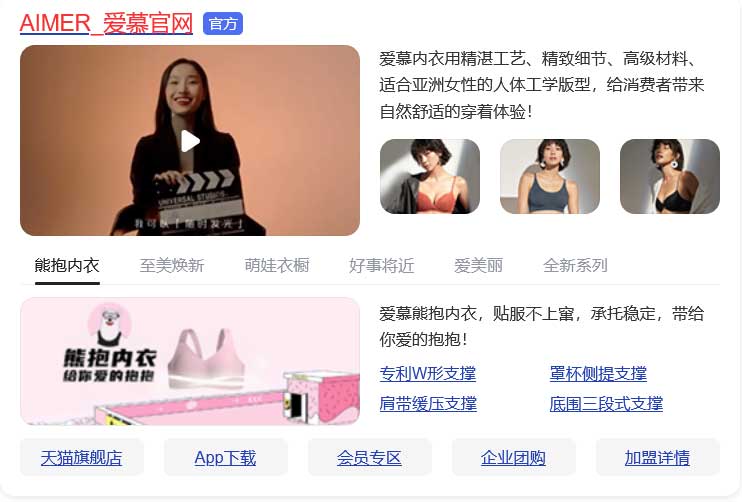
- Paid ads: For instance, the Baidu Brand zone gives you many options to promote several of your channels at the same time.
- WeChat: Get a Wechat Account for credibility & make good use of the app many features (Channel, Post, Mini-program, CRM, etc)
Bet on good advertising campaigns to promote your brand
Creating an advertising campaign for underwear is a tough project. A lot of criteria can turn your strategy into a bad buzz and seriously affect the e-reputation of a brand. The choice of the model, for example, is a key point; many studies show that Chinese consumers prefer a Chinese model to a Western one.
Chose wisely the posture and the message of the campaign in order to follow the brand DNA, but also to try to reach a positive buzz. A positive buzz is a way more difficult to reach than a negative one; sexually suggestive advertising is not very well received by consumers and the balance between sexy and provocative is hard to find.
How to sell underwear and lingerie in China?
Choosing the right distribution channel
Anyone experienced with China sourcing knows that there are many trustworthy, quality Chinese manufacturers if you take the time to seek them out. Many strategies exist; for example, choosing a wholesale strategy can be an alternative.
From the sourcing to the factory
Lingerie factories are numerous in China and the best advice to fight competition would be to avoid manufacturers who already are present on Alibaba. A lot of them are selling the same products and this strategy reduces the transparency and quality of the fabrics; as a lot of competition exist, even for the same products, and the best way to differentiate is to create new patterns and models.
Quality & supply chain management
The choice of the factory is essential in order to ensure quality control and supply chain transparency. If you can go directly to see how it’s going on here, you will have a better window to judge which factory could suit your needs. You need to keep control of each step of the supply chain and logistics, from the production to the distribution itself, including transport and quality control.
Sell Lingerie in China: Wholesale or retail?
If you have strong financial capital, you can also choose to create your own shop in order to ensure an offline presence; with a brick & mortar point of sale, you can organize events and pop-up activities to gather all your customers. You can also attract other potential customers passing by and so increase the sales.
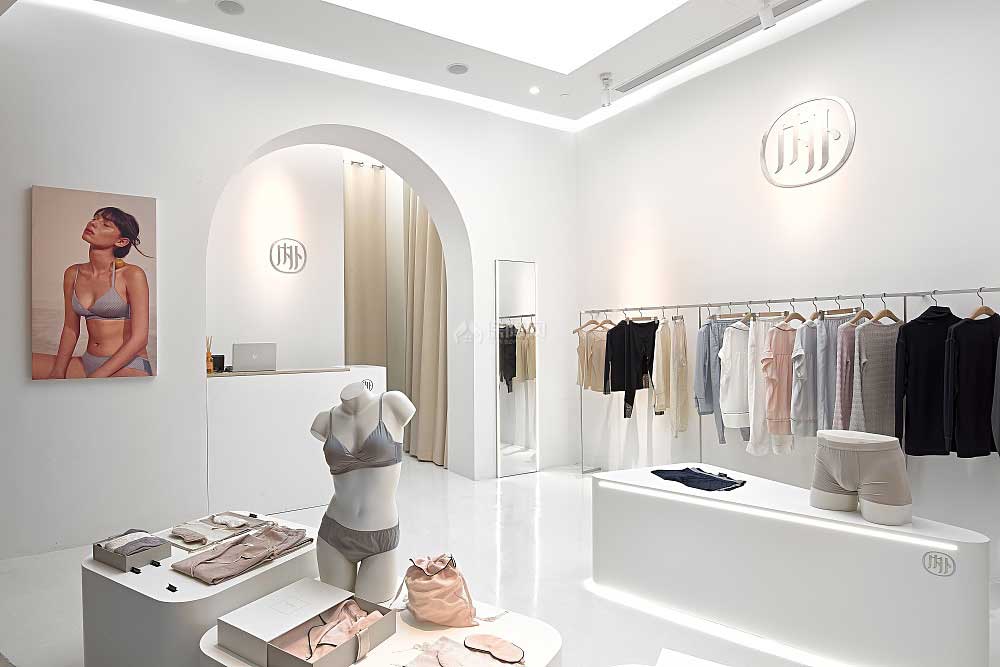
Brick and mortar stores are great in the sense that they are windows to your products ans brand. Physical stores allow you to offer more services such as helping customers choose the right size, pretty important in the bra market. Small things like this can set you apart from the competition.
With Wholesales, you’ll have to find a chinese distributors: Lingerie & Underwear Distributors in China (Wholesalers, Retailers). In this post, we explain you the steps you should take to find a chinese wholeseller while protecting your brand against scams.
E-commerce (Direct-Selling) is your best ally in China
As said earlier, don’t hesitate to target different platforms to build your e-commerce strategy.
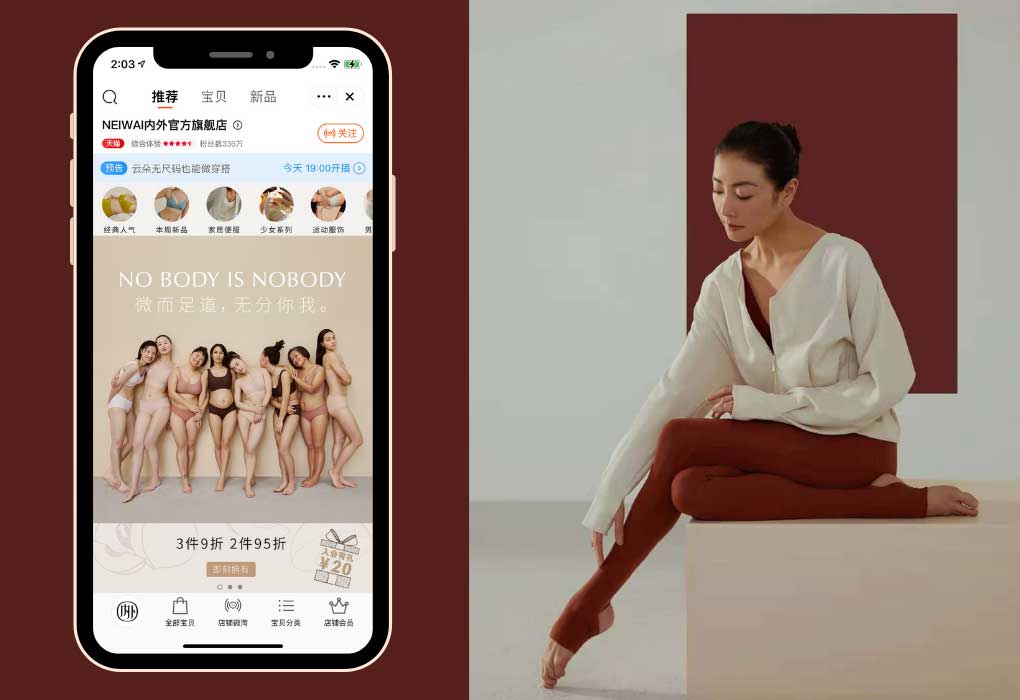
The main e-commerce platforms to sell underwear are the following:
- First, TMall, the giant from Alibaba is the world’s biggest e-commerce platform. Most of the well-known brands bet on TMall and can easily get reviewed to enhance customer engagement and brand awareness.
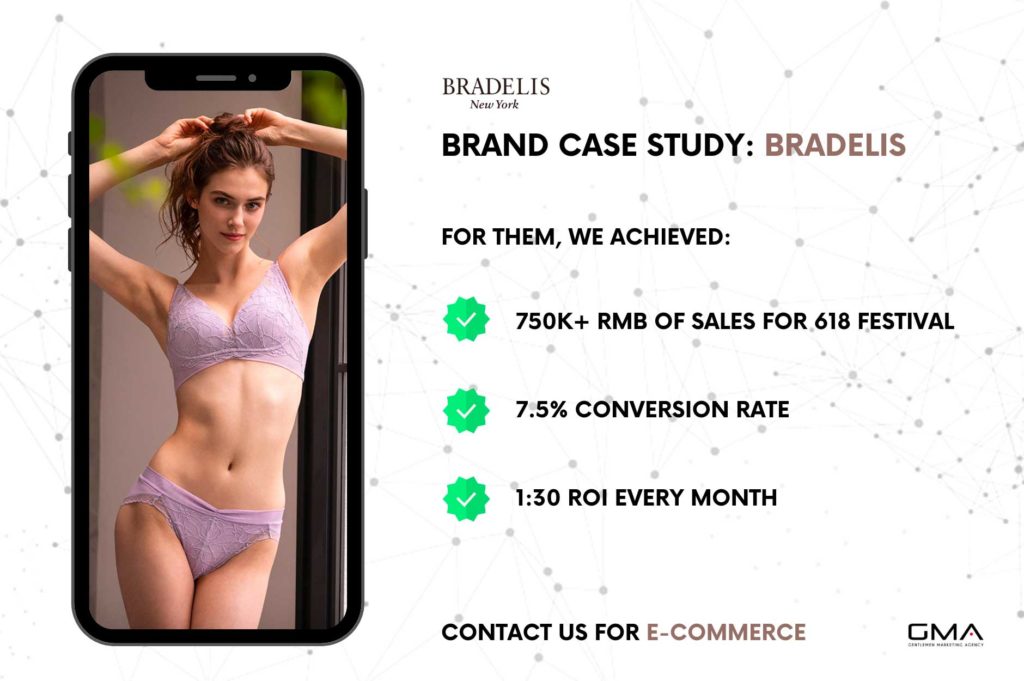
- Then, most luxury and fashion brands are also present on XiaoHongShu or “Little Red Book”. This is the place to be for lingerie brands to enter the Chinese market. If your brand is a luxury one, don’t hesitate to go on the Luxury Pavillon of TMall but you will have to be invited, as this Social Media is very exclusive.
The fastest way to obtain results while entering the underwear market still to go online. You have to choose the Chinese e-commerce platform that fits your expectations; the choice will not be the same for luxury lingerie or classic comfy underwear for example.
Do not neglect Social Media to promote your product, keep a link with your customers, and inform them. Warn your customers often about events, new arrivals, and discounts related to the brand. To follow the trend, choose wisely the platform and do not hesitate to be present on several platforms at a time, in order to maximize the possibilities and fight competition.
…But E-reputation is more important
Even with a well-prepared e-commerce strategy, success is not guaranteed; if no one knows you, no one will buy your products. Chinese consumers do not trust brands or marketers, they trust normal people like them. Reviews and shareable content are the elements to focus on when building your online marketing strategy; the more your brand and products will make noise and get known, the more the e-commerce strategy will work.
Remember that the chosen strategy regarding e-reputation, distribution, and e-commerce is as important as the products and the brand themselves. One does not go without the other and if your strategy is well prepared and fits your brand DNA, the efforts should be rewarded by increasing sales and word-of-mouth.
Contact us & Start selling lingerie in China
Drop your request here, ask for a free consultation with our experts and a quote
2 comments
MOIZ MURAD ALI
we are in sourcing china weeding lingerie factory for worldwide buyers
mathilda
I have a question,
In China, Do men purchase lingerie for their Wife or GF?