
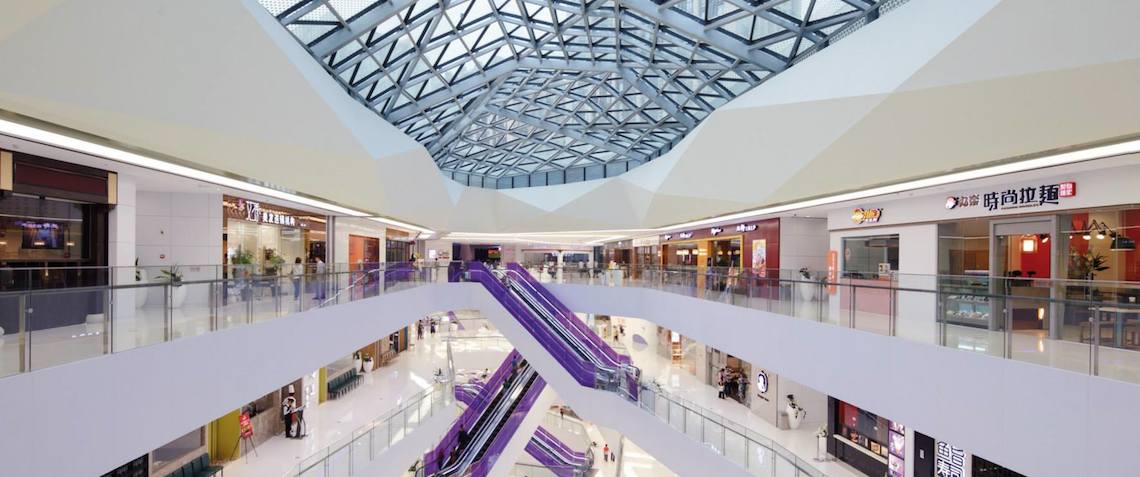
Since the ubiquity of smartphone in customers’ life, it has become a real tool for shopping nowadays. Especially for shopping, smartphones are used everywhere. The online world is challenging the physical world, yet, as we will see, the two can work hand in hand offering their customers an unforgivable O2O experience!
New behavior has risen, and digital sales do not affect negatively physical sales anymore. Smartphones are now used in different manners. Now clients use their smartphones as a tool to know products, brands, collections, and specific shops in order to buy what they exactly want/need.
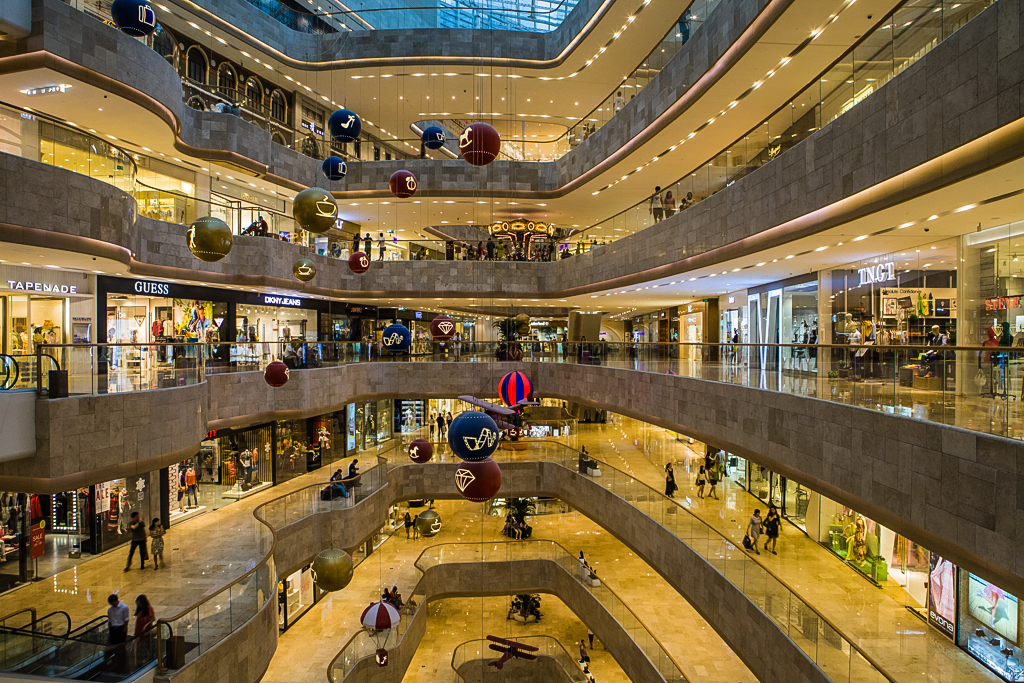
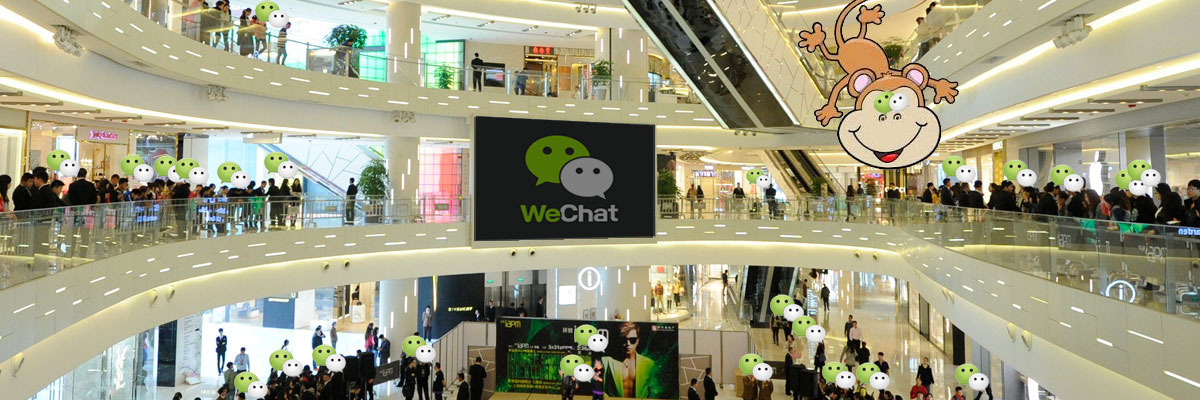
Shopping Mall in China
There are different kind of behavior :
- They use their smartphone to find information about specific products seen on the internet and verify the price. Salers have to be careful now, prospects and customers may be better at knowing the products than retailers.
More and more customers find the product, service, brand, or shop by looking for it on the Internet before they go to buy it in the shopping mall. They also make their idea about the products by reading the comments and feedback on social networks or blogs. And when they arrive at the mall they still use their smartphone to be sure they find the right product for the right price with the better service.
- There are those who do not like to spend too much time in a mall. So before going there, they calculate everything: the itinerary for the mall, which shop they will visit, what to buy, and for which budget. Usually, these kinds of people are not receptive to the flash promotion and other visuals in the shops. They only want to buy and leave the mall.
- There are also clients who do appreciate spending time during an entire afternoon in shops.
They usually are a minimum of two and they like to shop but also spend time in the cinema, events, and restaurants in the mall. They usually are receptive to advertising and go to the mall after watching one on the television.
- And there are also those who go to the shopping mall without a specific intention to buy something. They just visit shops and follow their feelings. They do not really use their smartphone except in order to find their friends.
These profiles are the main which were developed recently. Online sales do not kill the physical ones anymore, they are now added. This new kind of behavior with the help of new technologies needs to be taken into consideration by the brands in order to adapt their next competitive service and offers. To do so it is important to work with the right partner. That is why the « click-and-collect » was born. Because some customers like to order their product online, pay for it, and take it to the shop.
3 comments
Loana65
I agree with Charlotte here! Chinese super big malls stroke me when I first came to Shanghai. I know K11, Plaza66 and IAPM, is there another one that I don’t know? (Especially for luxury brands)
Hayden
Too many… SKP, The Mixc,TaiKoo Li Sanlitun,Deji Plaza(Nanjing)
Charlotte Wang
Chinese are the biggest spender in the world and Shopping mall in China are a REALLY big industry