
Distribution in China is very complicated, and it has to be known before doing business with. It has strict rules that can’t be avoided. Here’s what you have to know about fashion distributors in China. This article is reserved for secondary brands, not for leaders brands that have the money for self-financing their own distribution network.
What Chinese fashion distributors really want?
They have demand from Chinese fashion brands
Fashion Chinese distributors won’t do business with an unknown supplier. They want products that are already famous. They also want the company to have a good e-reputation: Chinese people search for information about brands, products, etc every time on Internet. They are looking for consumer’s reviews about the products they are about to buy on Internet and especially on the Social Media.
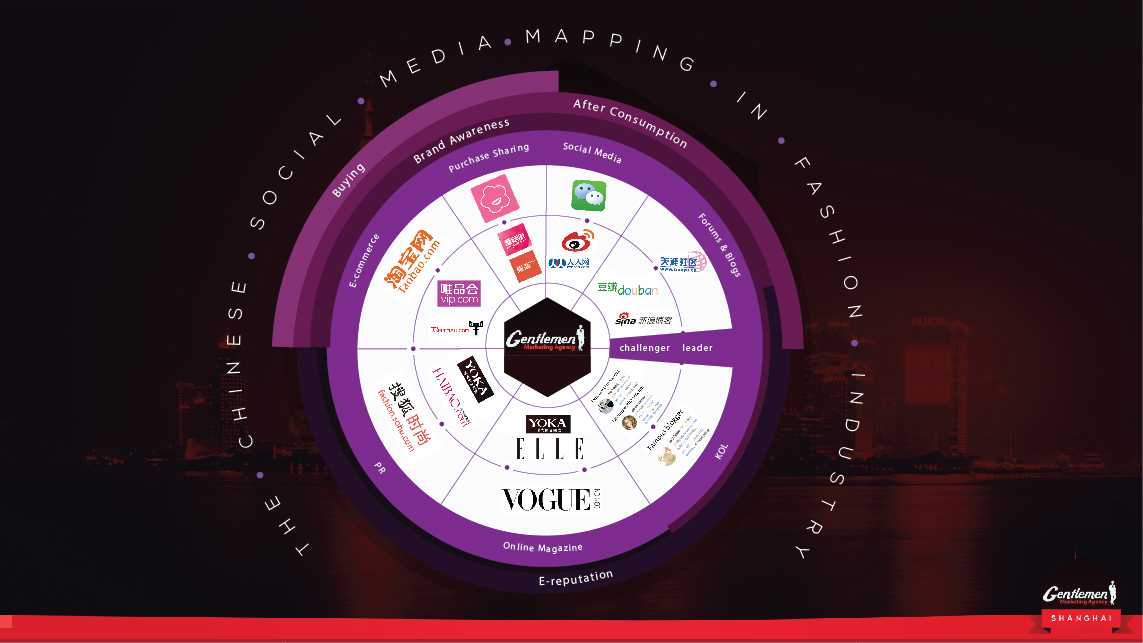
This is why fashion brands need to be on these Social Medias. If a brand is not on Internet or doesn’t have a good e-reputation, they won’t buy their products. It’s why it’s so important to have a good e-reputation when doing business with fashion distributors in China. Distributors in China have a lots of request for the suppliers. The brand has to have a good positioning, it has to offer quality products and good packaging.
The products have to be convenient for the Chinese people: in fact a lot of products won’t please the Chinese people just because they please consumers in other areas. Products have to be adapted to its customers, and it’s very important in China, where Chinese people have a lot of customs and demands that are not seen in every Occidental countries for example.
They won’t invest on the brand of their suppliers
Distributors are here to distribute products, not to invest on their suppliers. If some Occidentals brands would invest, Chinese will never. They are here to do business only, so they will distribute the products but that’s all. If the brand of the supplier is not working, they will just stop doing business with. And they will find another supplier or another brand. They are here to make profit by doing their jobs.

They won’t risk anything by investing on a brand. If the brand is in a bad position, the distributor will let it down. They are looking for business where they just have to do well what they have to do. Fashion brands that want to do business with distributors are expected to be already good, the distributor doesn’t have to help them be known or work well in China. Their duty is to distribute the products, and they can’t distribute them if they aren’t famous. A big distributor knows networks of little distributors, which will sell directly the brand in the stores, online or on private cercles.
Knowledge of the terrain doesn’t mean knowledge in marketing
These sellers have a big knowledge on the terrain, but dosen’t have knowledges to developthe marketing or to boost brand’s branding, brands must have a solid marketing strtagey before going in China.
- A brand has to have a very good reputation.
- A brand must have a first success in China.
- A brand must have an awareness.
- A brand must have a clear and coherent positionning on the Chinese market.

Hermès is a very popular brand, these 3 last years, their positionning is clear and different from the other Luxury brands. The exclusive side pleased the richest. Their unique productsseduce this target. Their communication with stars, in the events the most VIP, their stores are all unique. This brands is famous and recognized by the Fashion Experts, and the Jet Set.
Fashion accesories, fashion apparel, luxury, so many opportunities
This market is wide with a turnover in progression of 10% in 2018 and a market estimated to 11,8 billions of dollars by 2019. The locomotive of consumption and distribution whistle in Asia-Pacific. China is an emerging country, which means that a lot of people can now afford thing they couldn’t before. The upper middle class is rising, making people want to have access to high-end brands.
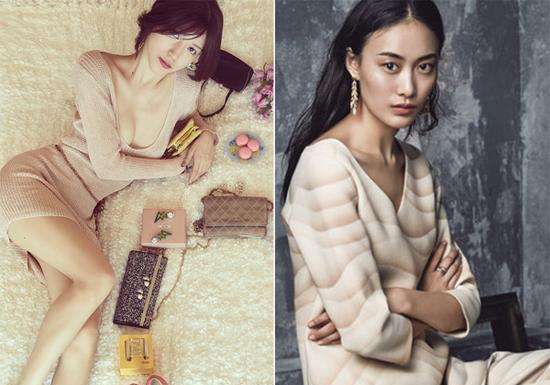
The exponential growth of the giant Chinese will allow it to take by 2018 the first place in the distributioon market, especially thanks to the growth of the upper middle class. Distributors are not focused only on the first and second rank cities but they also being to develop in the third and fourth rank cities because these cities have unexploited markets. In 2020 the rich chinese class doubled (280 million of people) and will ensure 75% of the growth of purchase of luxury goods in the Middle Empire.
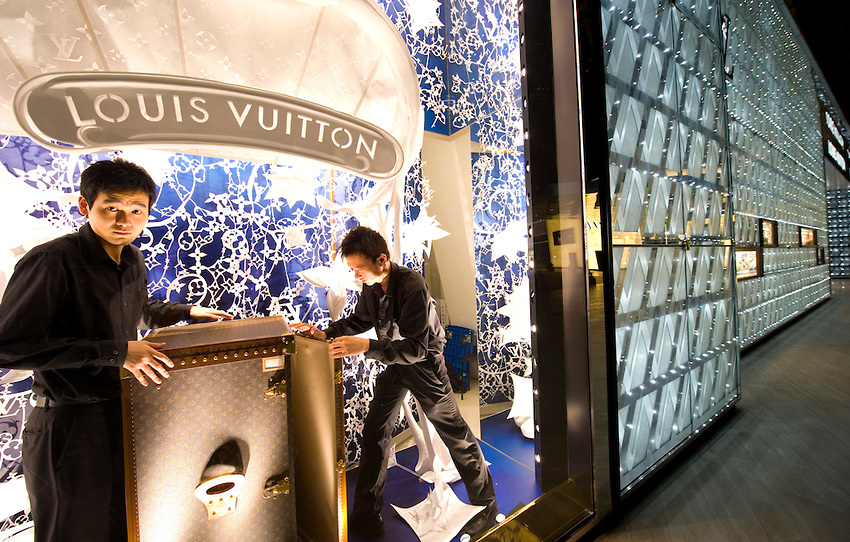
These wealthy people, submitted to a strong social pressure to “assert their status” and want to be “at the edge of the trends” and devlop luxurious tastes more and more sophisticated to get notice. The categories that will benefit from this phenomenon are the luxury, the fashion, the cosmetics and automotive. In this segment, France has a very good image.
China, the place to be for fashion brands
This is making China the place to be. It’s even more powerful with fashion brands: fashion is a sign of wealth in China, and non-Chinese products are well seen. Fashion brands have a lot of opportunities in China, and this is why they want to do business there.
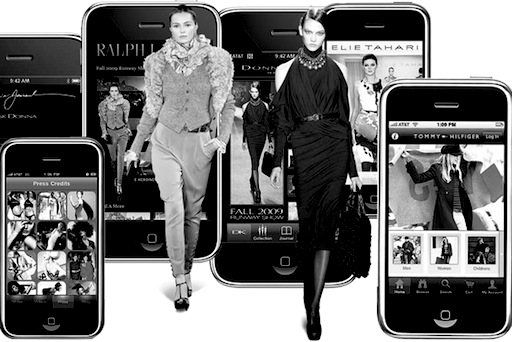
But to do business in China they have to find a distributor. So fashion distributor in China have a lot of demands. If one brand is not working well, they have tons of other waiting. This to say that when doing business in China we can’t think that a distributor won’t let a brand down because they need us, because they can just let down a brand and accept another.
Brands in fashion and luxury have a lot of opportunities in China and that’s why it’s important to be present there. If a company doesn’t have the financial power to implant itself ith its own stores, they have to find a distributor and work in parternship.
Chinese fashion distributors don’t communicate enough
It can be surprising, but Chinese distributors won’t communicate a lot with their supplier. If something is bad, they won’t tell the supplier. They won’t tell also if something is good. They don’t think it’s really important to ask questions. And last, they are not fond of feedbacks, it’s why brands themselves have to ask for feedbacks as often as they think it’s needed.
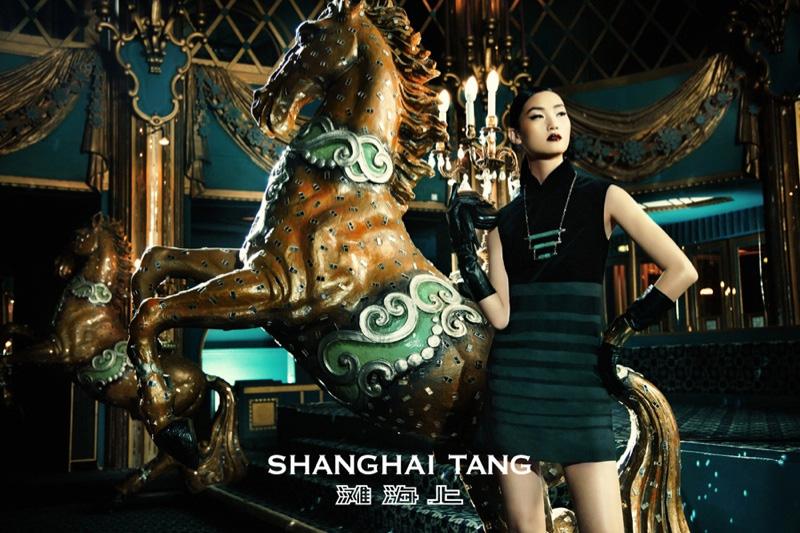
This is why brands themselves have to ask for evaluations as often as they want, and to set up a control system. Because they think about their profit before, if something is wrong they won’t take it for them but won’t told the supplier.
Distributor or supplier for fashion in China? Contact GMA!
We can help you find a distributor for your fashion brand or chose the best supplier. We can also help you thanks to conculting sessions for social media, e-reputation or e-commerce… with the right advice, you can establish your business in China! Contact us on our website, click here for more information!
Read more about fashion distributors in China:
3 comments
Slytherin76
Hello! I am looking for a fashion material and fabrics distributor to complete my brand’s supply chain! feel free to contact.
Vicky Cheng
Hello,
We are a Fashion Distributor, and want to collaborate with European Fashion Brands with good potential in China, contact us
admin
Good to know you. I contact you and will list you in our Distributor List.
Have a nice day