
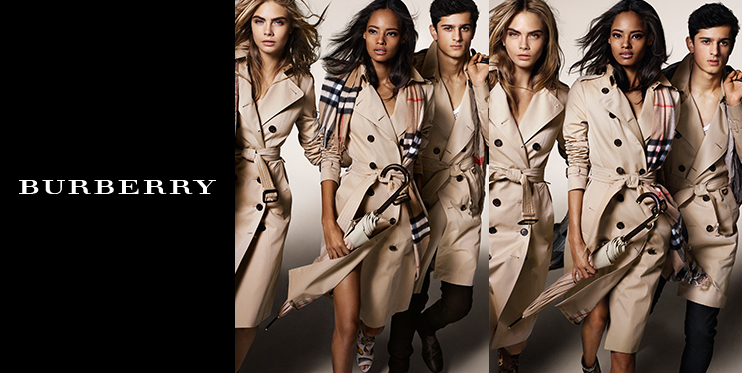
Chinese consumers are seeking the luxury and quality of British brands.

China is becoming the world’s largest ecommerce market, that’s why Western brands are keen to penetrate the market and attract to Chinese consumers. The e-commerce market in China continues to gain size and speed rapidly, surpassing even the US market. China is a country with tremendous opportunities for companies wishing to sell online, but has a number of conditions that must be taken into account.
But is it possible for British brands to lure Chinese customers?
Chinese consumers have desires to purchase western brands, especially the British ones. According to James Hardy, head of Europe at Chinese ecommerce giant Alibaba.com, British retailers try to attract Chinese consumers using its prestigious reputation for high- quality products.
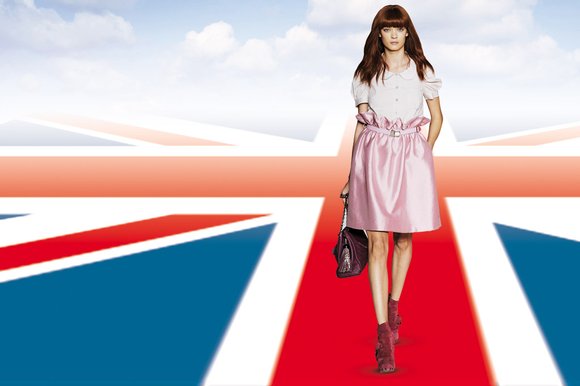
Chinese shoppers have a craving for fashion products not available in China
It’s a fact, Chinese shoppers have a desire for British luxury products that are not available in China. United Kingdom has a good reputation because of the high quality textures and fabrics and its top of the line production processes. Even though they can not compete with local companies about the prices, they can ensure a premium products for the extra cost.
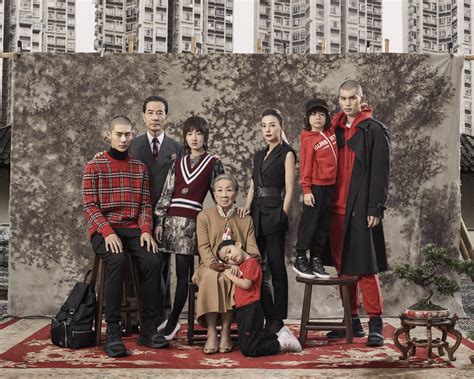
Due to the fast-rising Chinese economy, consumers are more willing to buy expensive products. Consequently, shoppers prefer to spend more money on quality.
The Britishness is a strong selling argument for fashion in China
“British-ness” is the main reason why Chinese population choose to buy British brands instead others. Aston Martin, Rolls-Royce or Burberry are some of their preference. Jaguar Land Lover, the U.K.’s leading manufacturer of premium luxury vehicles, has seen huge increases in its sales.
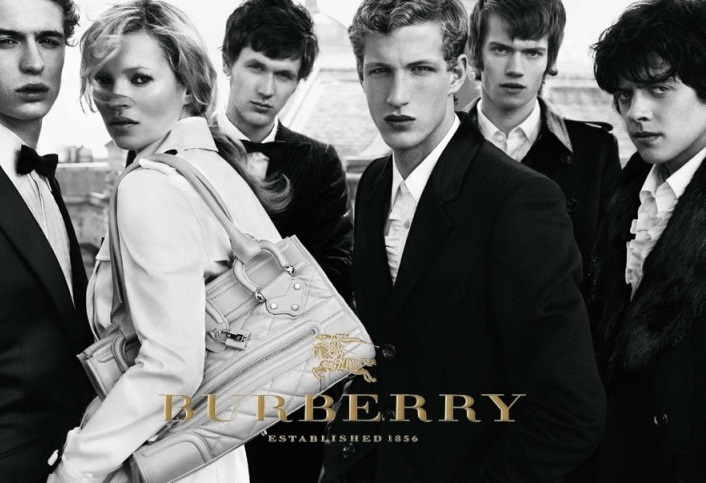
From April 2018 to April 2019 the sales in China have grown up 70% for Jaguar vehicles, and 71,9% for Land Rover vehicles. Other example is Burberry. The British retailer company has had a 20% increase in sales in China last year.
Chinese e-commerce is a good channel to sell British luxury and fashion brands
China is the world’s largest online retail market. According to data from the China Council for the Promotion of International Trade (CCPIT), this year, China is expected to reach 3.1 trillion yuan from e-commerce revenues. In order to reach Chinese customers, Fashion retailers Top Shop and Miss Selfridge have announced partnerships with Shangpin.com.
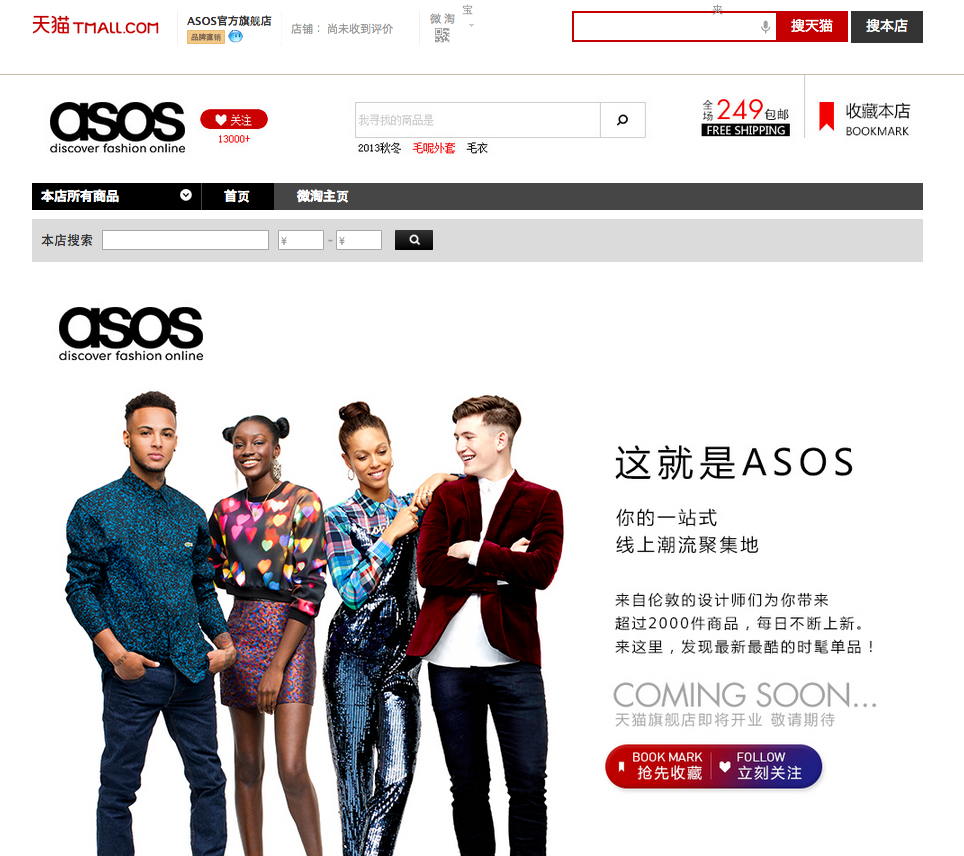
Around 20 British brands have established flagship stores on China’s major business-to-customer platforms. Due to the rising income levels among middle-class families in China, European and luxuries products are now within their reach. The growth of the consumer market in China has caused the entrance of many foreign companies via e-commerce.
Decrypting Chinese fashion shoppers habits toward fashion brands
The Chinese are clever shoppers, who often research the products and brand before buying them. Therefore, companies should improve and develop their brand and guarantee the goods’s quality and reputation, because that is the mainly reason why Chinese consumers decide to spend their money.
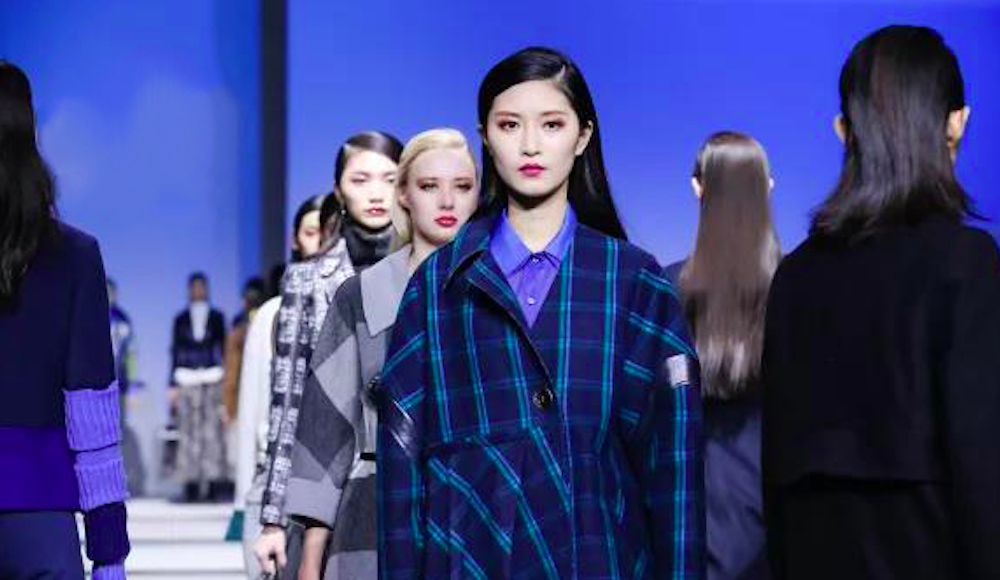
The main reason to buy British luxury items online is its lesser cost compared to the sky-high prices of the same items in China. Clothing, accesories and footwear are the most popular products to buy online. British Brands mean luxury and is about exclusivity in an European style.
The role of technology in Chinese consumers habits toward fashion and luxury brands
Technology is increasing and it is changing consumers’ purchasing habits who now are spending much money online. That is the reason why brands can succeed in China and the idea “country as a brand” influences the perception of luxury. Chinese people have taken a great liking into “Britishness” and that pushed them into to buying brands like Burberry, Rolls Royce or Johnie Walker.
UK trade and investment: a solution to increase fashion brands sales
As a result, UKTI (UK Trade and Investment) has been created. It is a new Exporting Programme with the purpose to help UK companies with their sales strategies. It has detailed information about over 400 e-marketplaces in order to boost the international trade through online channels.  In addition, UKTI cooperates with some international e-marketplaces including Tmall China, Amazon China, Japanese e-commerce platform Rakuten and Harper’s Bazaar. By doing so they help businesses to thrive abroad. Chinese consumer are seeking products more sophisticated and discerning due to the desire to differentiate themselves a bit more. That’s why they are buying British Brands.
Learn more about fashion and luxury in China, contact us!
As we have seen e-commerce is a very important tool in order to improve the sales of your company. If you are interested in know all about e-commerce, don’t hesitate to contact us. If you want to know more about the perfect digital marketing strategy to promote your fashion brand in China go here.

Read more about fashion brands and e-commerce in China:
1 comment