
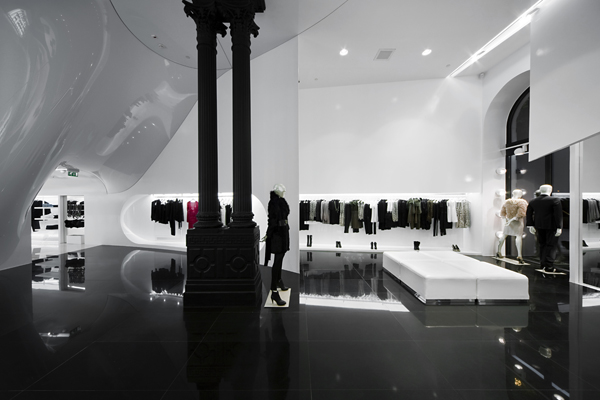
In 2015 China accounted for over 20% of the luxury market with 180 billion RMB spent ($27 billion). It is also the fastest growing place for Brands with an annual growth of 15% on average. And, despite a recently slowing economy, salaries are still on the rise, leading to an ever-larger middle and upper-middle class. So, how to join the party?
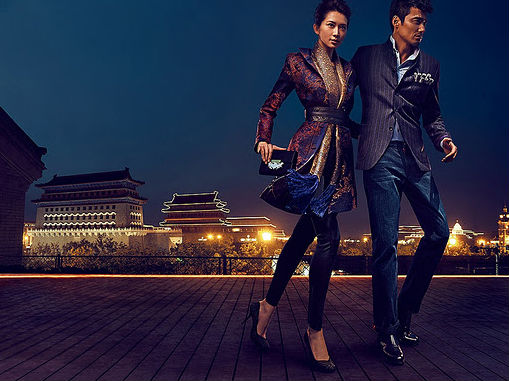
1/Why Do Chinese Love Luxury? How to Define the Middle-kingdom Market?
The Basics
Chinese with the culture of keeping “face” usually translate to buying expensive stuff such as luxury items, cars, and so on. The purpose of that is to project the persona of a successful person. A person that belongs to a certain social class.
The introduction showed you that the “Chinese market” is booming. But we actually used a shortcut. We should talk about Chinese “markets”. China is huge, and with huge disparities in revenue, culture, and sometimes even language.
In truth, therein not only one China. But they are all progressing. The number of luxury-related shops alone has drastically increased. However, we also see some changes and evolution.
The Market in Growing in Sophistication
The Chinese were and still are regarded as the “new rich” that just moved into the neighborhood. Knowing little about luxury codes and overall not very refined in their way to consume. But today the situation is different. Luxury brands have quickly identified the potential that the Middle Kingdom represents and has invested heavily to “educate” the market. As a result, the Chinese now know twice as many luxury brands as they did in 2008. Brands Continue to invest in China (source iworkinChina)
Chinese consumers are now savvier toward quality. They do not (or less at least) assimilate a high price with quality. Orientation is also evolving as young Chinese consumers claim to be more focused on a luxury experience than a luxury item such as handbags, jewelry, or clothing. Unlike products, the experience cannot be fake and the growth for luxury services is faster than the one of goods.
To Adapt or to Endure?
Luxury brands are accustomed to be revered. And not without reason. They often have their own culture, with the long history that led them to become a symbol of quality and elegance. Several companies are even approaching 200 years during which they had royal families as clients. It is difficult then not to want to make this rich heritage the spearhead of a marketing campaign.
But China is evolving
…reinventing itself at a fast pace, leading to new trends emerging. A not-so-new concept has resurfaced: to make products specially designed for China, with the Chinese cultural identity at the core of it. The debate on the subject is animated. And our advice is:
Why not do both?
A Chinese range of products could combine the best of both worlds. Moreover, the rich culture and Chinese history can offer new perspectives and inspirations for Brands, even in the West. (Further information here)
2/Luxury Goes Digital: So Should You
As a matter of fact, everything does.
The digital world now encompasses all aspects of life. And it’s probably via the Internet that the luxuries of brands can quickly get better results in China. Here are the points that are essential to a good strategy:
E-commerce: Join or Die
Internet in China is not an alternative network of distribution but the main one, in front of the hypermarket or any other physical structure. The biggest platforms such as Tmall all enjoy a high rate of consumer trust. The site allows you to have your own shop, it is not just a sales channel but also a real branding opportunity.

Furthermore, it is an area in constant growth. If you think your products are too expensive or too high-end for the web, I’ll be blunt: You’re wrong. Maserati for the opening of its shop on Tmall launched “flash” sales of its new SUV model. The 100 available vehicles were purchased in 18 seconds. Beautiful testimony about the opportunities in the country.
Of course, these are just a few reasons to join the adventure. There are many others: Your competitors are probably already there; also it allows you to reach outside of major cities at lower costs, etc.
Social Networks : a Must
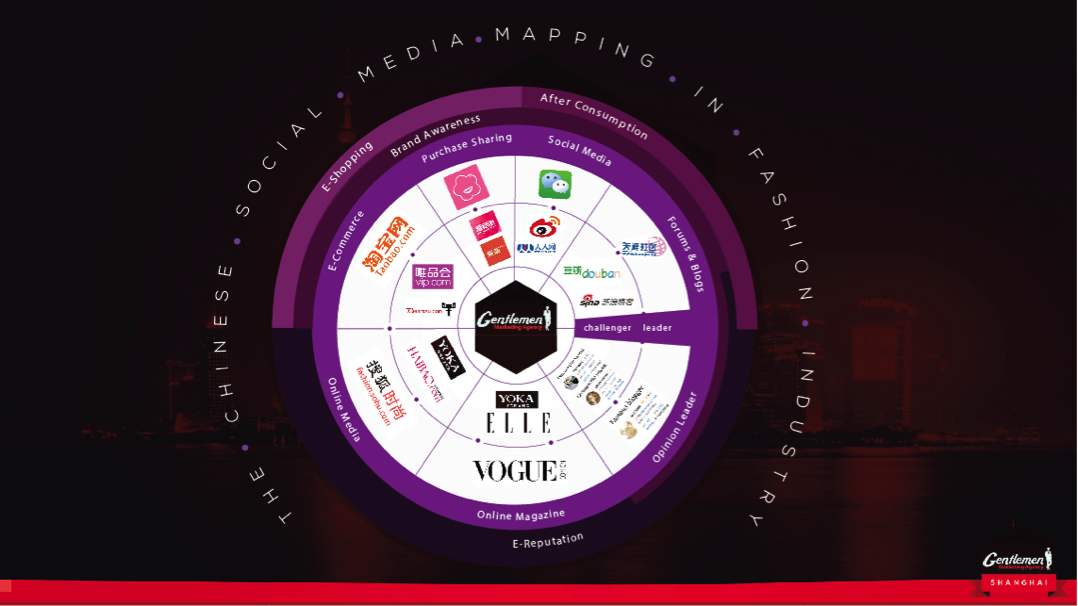
Social networks are essential tools when it comes to communicating with your target audience. At the top of the list are WeChat (a chatting and sharing application) and Weibo microblogging platform. Not only do they give your company the opportunity to define itself as a brand, but also to gain a wider audience (and sales) through content sharing. These can take the form of articles, videos, or infographics. They are good as long as they bring something to your followers.
E-reputation , because Chinese Buy “trust”
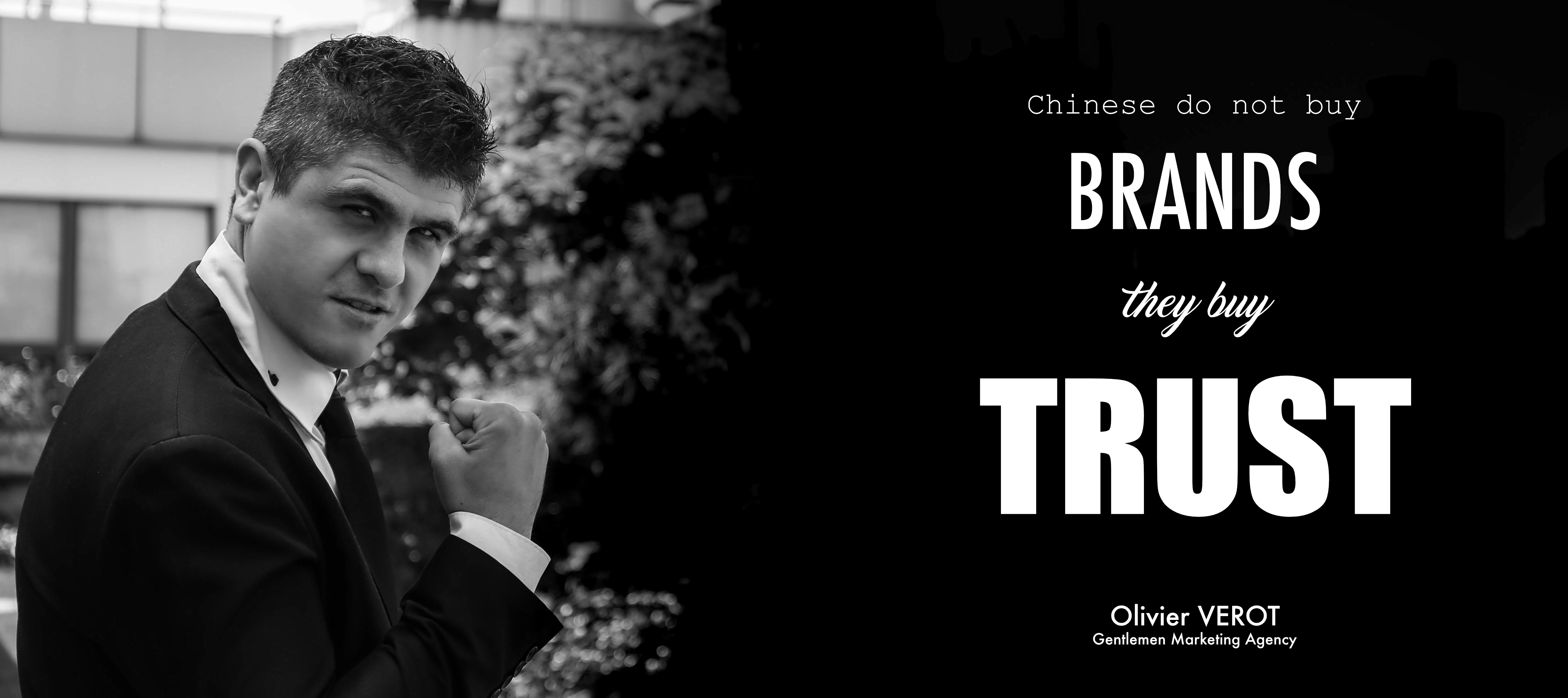
What is your first step when you are in search of information about a company or a product? Google, most of us would agree. Baidu, the Chinese equivalent of our favorite search engine is the preferred destination in China when you are seeking information.
A Website ? Yes but in Chinese
So you need a website: First and foremost, to prevent impostors posing as your company in order to scam your clients. Second for branding purposes. You can also sell directly through your website. But it is only a complement, the bulk of your online sales will be on Tmall.
Know that no subject is ignored in the Middle Kingdom cyberspace. Chinese Internet users will talk about your brand and products in forums like Baidu Zhidao, the best-known of them all and which belongs to the search engine. Hence the importance of ensuring the protection of your online reputation.
17 comments
Chris TL
Very good! Will definitely recommend it! If you have other articles explaining the relation between luxury and digital in China, I am highly interested!!
Monica
Why Chinese people like to buy luxury products? Why aren’t there any worldwide prestige Chinese brands?
How to build a luxury brand in China from scratch… Where to start?
admin
Chinese are facing problems to Build Brands, they are too short term minded and too agressive on Price to keep a high end positioning.
how to Build a Luxury Brand, Work on Reputation on the Image, invest in online, Social Media and Influencers.
Try to sell online, and later develop yourself with Physical Presence.
Hope It help, if you have the ambition to do that, we can help you Monica.
Roger
great article , a reference for luxury brands in China
admin
tahnk you Roger
diy door
You should be a part of a contest for one of the most useful websites about China I am goiong to highly recommend this web site!
admin
thank you for this nice comment DIY
all games you can play
What’s up everyone, it’s my first go to see at this site, and piece of writing is in fact
fruitful for me, keep up posting these types of posts.
mary
Luxury is still an amazing fiedl in China, hope to see more news about that on your Website 😉
admin
Thank you for this added value information Andrea.
alex
no need to advertise GID andrea, you need to do targetingmarketing, only speak to a certain part of the society , your target.
Most of Luxury brands waste their budget actually;
Andrea
Some luxury brands began to advertise in China BIG and even tried to sell products on WeChat, one of China’s most popular instant messaging app in 2016, indicating increased input in digital development. Fortune Character Institute, a research agency which has tracked China’s luxury consumption trends for years, noted that global luxury companies have spent more than $4.5 billion in broadening their presence in cyberspace.
Peter Wang
Chanel is the hottest luxury brand in China
Rich Chinese really do love their Chanel.
Chanel has the highest brand awareness among luxury Chinese consumers, followed by Dior, Hermes, Gucci and Louis Vuitton, according to a study by Bomoda, a research firm that focuses on Chinese consumers.
source http://money.cnn.com/2015/05/06/luxury/chanel-china-luxury/
Mikeal
Brands are the best way to show off wealth, and there is a flood of new millionaires around the world who like showing off.
“The brands bought are actually more important than the level of money earned,”
check this picture http://static4.businessinsider.com/image/54f618c66bb3f77715d23755-1200-1000/pyramid%202.jpg
Amelie
I also love this article from your blog
http://marketingtochina.com/market-luxury-fashion-brand-china/
Mary Lin
Today, Chinese shoppers account for nearly half of the global luxury market, providing invaluable demand to brands in every segment.
When It Comes to Luxury, China Still Leads
Amelie
Very nice overview of the solution for luxury Brands in China .
I share on my facebook. 😉