
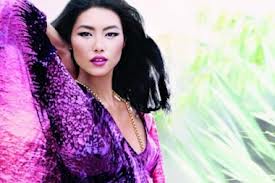
Chinese female consumers are the primary driver of fashion e-commerce growth in China, accounting for over 70% of fashion platform GMV. But treating “Chinese female consumers” as a single segment produces generic strategy that works for no one. The 22-year-old XHS-native buying from domestic designers, the 35-year-old professional buying premium international brands on Tmall, and the 55-year-old purchasing through WeChat mini-programs are three different consumers with three different purchase journeys. Here is how the segmentation works and what it means for channel and content strategy.
Fashion Market for Chinese Female Consumers: 7 Key Trends
- Individualism & Identity-Driven Style
Chinese new generation of women are no longer following mass trends — they crave fashion that expresses personal values, moods, and lifestyles. - Power of Femininity 2.0
There’s a shift from “cute” to “cool” — bold femininity, minimal chic, and confidence-driven fashion aesthetics are dominating. - Officecore & Urban Elegance
As female professionals rise, sleek yet functional pieces — from tailored blazers to power-dresses — are in high demand. - Affordable Luxury & Smart Spending
Female consumers seek high-quality pieces that feel luxurious but are price-savvy — giving rise to niche designer brands and domestic chic labels. - KOLs & Real People as Role Models
Women increasingly follow KOLs, KOCs, and even relatable “everyday influencers” on Douyin and RED for honest style inspiration and body diversity. - Function + Fashion = Must-Have
Activewear, shapewear, and techwear are booming — driven by both aesthetic appeal and lifestyle utility.* - Douyin Becomes the Trend-Maker
“Douyin (TikTok China) has become the engine for fashion inspiration, viral outfits, live try-ons, and creator-driven shopping moments.” Philip Chen GMA

???? Expert Notes from Olivier VEROT, Founder of GMA
- “Chinese women are redefining what it means to dress ‘well’.”
Verot emphasizes how style is now about freedom, confidence, and authentic self-expression, not conformity. - “Douyin is where fashion trends are born — or die.”
Olivier Verot advises brands to build native, story-driven content for Douyin, featuring real women, daily looks, and ‘get ready with me’ formats. - “Don’t underestimate Tier 2 and Tier 3 female power.”
These cities are packed with fashion-forward, digital-savvy women who crave quality and aesthetic — but reject big-brand arrogance. - “Micro-communities drive macro-sales.”
Female buyers bond over fashion niches (like vintage, French minimalism, or cottagecore) — and share shopping tips across WeChat and RED. - “Co-creation is queen.”
Let female influencers or micro-celebs design with you. Co-branded drops create buzz, FOMO, and instant Douyin traction.
???? Rednotes Tips – Fashion Strategy for Chinese Female Consumers (Douyin-powered)
✅ Build Your Lookbook on Douyin:
Use storytelling formats: “What I wear to work,” “Date night outfit,” or “Closet transformation.” Keep it authentic, not overly polished.
✅ Create Female-Centric Micro-Campaigns:
Segment content by female archetypes — the minimalist, the power dresser, the romantic — and tailor visuals, tone, and product picks.
✅ Push ‘Everyday Influencer’ Collabs:
Partner with relatable, stylish women (not just celebrities). It builds trust and authenticity — especially on Douyin and RED.
✅ Turn Viewers Into Stylists:
Let fans vote on outfit drops, co-design capsule collections, or share how they style your pieces via hashtag challenges.
✅ Lean into Functional Femininewear:
Pieces like shapewear leggings, anti-UV jackets, and comfy yet sleek heels resonate deeply with modern lifestyle-driven fashion buyers.
✅ Mix Luxury Feel with Rational Pricing:
Offer “affordable indulgence” — think silky blouses, structured dresses, and luxe fabrics under ¥1000.
✅ Host Douyin Livestreams with Value Hooks:
Demo how to style one piece five ways. Offer exclusive time-limited bundles or “ask me anything” with female creators live.
How is the fashion market in China
Fashion market in China, which was earlier dominated by male consumers, is now experiencing a huge female following. This growing sense of fashion among women in china is attributed to the growth of social awareness, with social media becoming all pervasive. The $19 billion Fashion Market in China experiences a Hugely Growing Female Consumer Base.
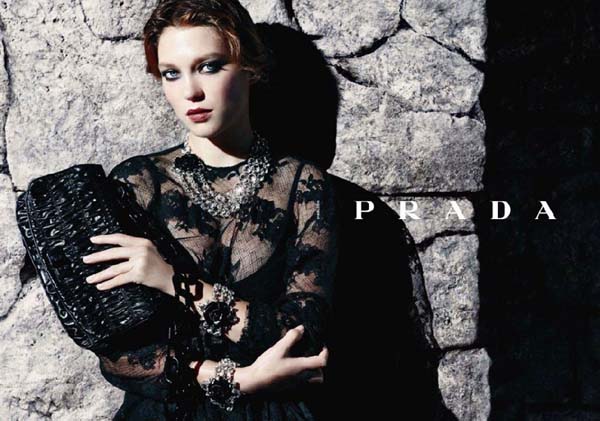
What are Chinese women consumption habits?
Today’s fashion savvy Chinese woman reads vogue, follows her friends, co-workers, and even celebrities in their dressing habits’, regularly keeps an eye on the social media updates. With so much fashion awareness created, number of females using clothing and accessories from brands such as Dolce & Gabbana, Valentino, Burberry, etc is on the rise. To cater to this new breed of fashion conscious Chinese women, many retail stores are stepping up their efforts increasing space, etc.
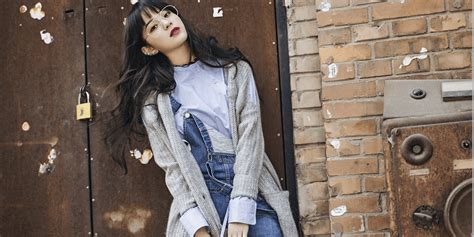
Many companies from Chanel, LMVH Moet Hennessey, Louis Vuitton SA and many others have geared up for this increase in demand. Analysts observe this trend as a rebalancing of consumption between females and males, the rapid economic development in the country is making women rich, independent all contributing to an increased purchasing power among women.
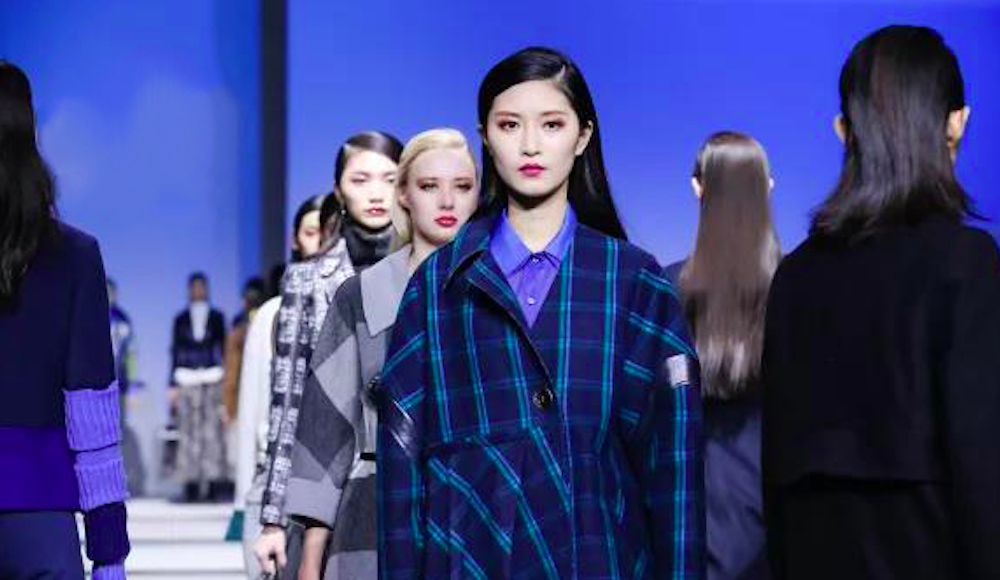
The high end purchasing scene which was earlier, about 1995, ruled by men, now has about 50 % of female consumers. This number is still far behind the world average, where women consumers account for almost 70% of high end purchases, according to Bain & Co, industry consultant.
Market survey about Chinese women fashion habits
Social influence regarding fashion brands in China
Bain & co estimates the Chinese fashion market to be at 19 billion, here are a few factors that influence the female fashion market. According to industry consultant Bain & co, this growing fashion sense among women is mainly due to the peer pressure. Brands such a Louis Vuitton, and Saint Laurent Paris, which were only in the wish list of many females’ have now moved in to their shopping carts and ready for checkout.
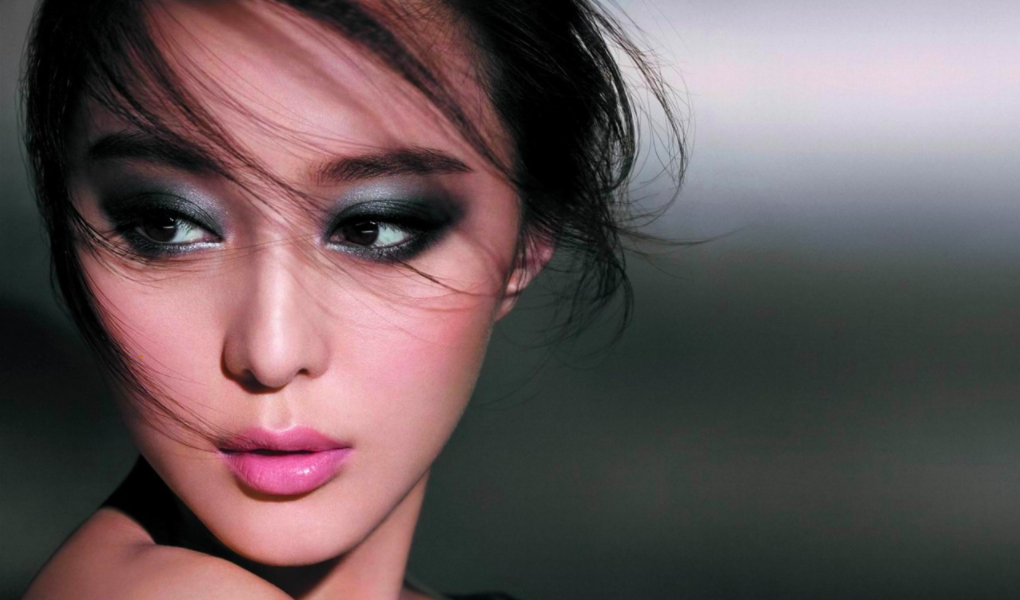
Bain & co predicts that this well informed, independent, and fashion conscious breed, female professionals mostly from tier one cities such as Beijing, Shanghai, and Guangzhou will push the demand for high end fashion apparel for personal use. With fashion industry offering a lot such as accessories, bags, watches, etc. the desire to stand out in the crowd with trendy and unique stuff is growing among the fashion conscious Chinese females.
Shopping abroad: the new trend for Chinese fashion
An increasing number of fashion conscious Chinese prefer shopping abroad, close to two thirds of their items are bought overseas, a report by Bain reveals. This is because of the fact that prices are much cheaper, for example they are almost 25% cheaper in Hong kong and 30% – 40% cheaper in Europe, estimates Bernstein’s. The solution to counter to this growing trend of overseas shopping is to refocus on female fashion segment.
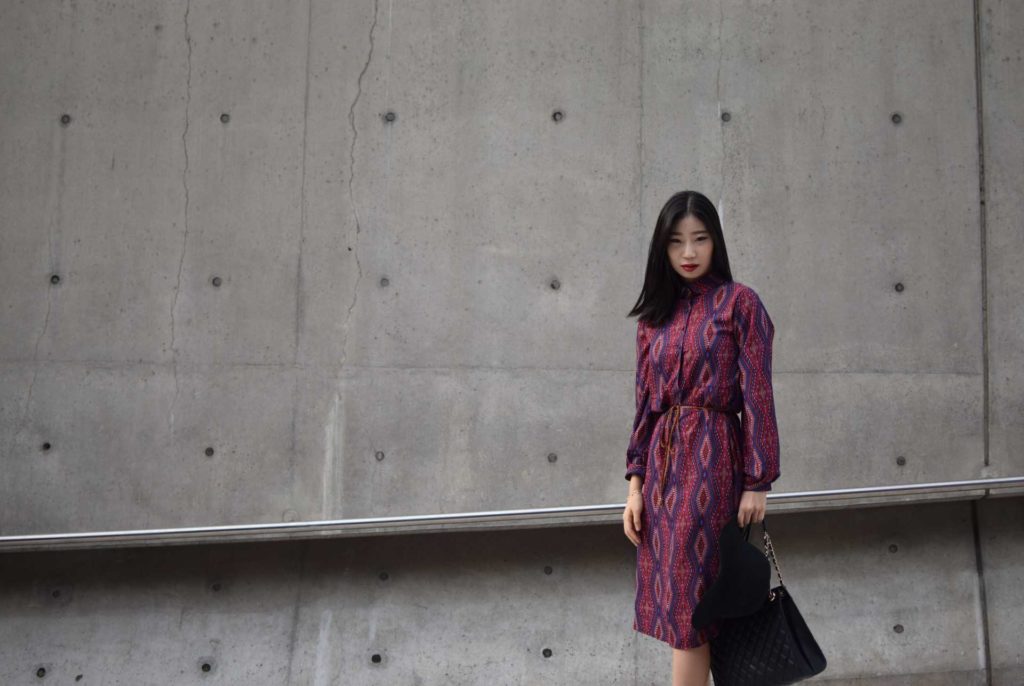
A new generation of Chinese female consumers
The new generation of shoppers, mainly, females from middle income professional groups have the luxury to choose their own style. This has led to a 10% growth in the sales for female fashion stores, as against dipping sales in men watches and accessories. The concern here for businesses is that the profits in the readymade apparel is at least 10% below than the margins in leather goods. The solution to this is to diversify, carry different size, styles, and varieties’ and more space to showcase these.
Conclusion: find a fashion expert agency in China
This trend is the harbinger of a new era in Chinese female fashion market, and demands a rethinking of business strategies to fully exploit its potential. We provide services to make sure that your brand enter the Chinese market the right way, for more information go here.
Read more about fashion trends in China:
Case Study: Laopu Gold (老铺黄金), the Chinese Brand Beating Western Luxury
The most instructive brand story in China’s premium market right now is a domestic Chinese company. Laopu Gold (老铺黄金) listed on the Hong Kong Stock Exchange in June 2024 and has become the clearest example of what winning in China looks like in 2025-2026.
Key 2025 figures: H1 2025 revenue grew 241-255% year-on-year to RMB 12-12.5 billion. Net profit up 279-288%. Online revenue up 313% in H1 2025. During the 618 festival, Laopu generated RMB 40 million in the first hour alone, up 800% year-on-year, ranking #1 in paid GMV in the Tmall gold category. Market capitalisation up 996% since IPO.
Four factors drove this performance:
- Organic Xiaohongshu: 100,000+ user-generated articles on XHS. A single creator video in July 2025 hit 1.29 million views with zero paid placement. No KOL blasting. The product earns its own reach.
- Fixed price architecture: Competitors price by daily gold weight. Laopu charges fixed premiums for craftsmanship. Buyers pay for design, not metal. Cartier’s model applied to Chinese cultural aesthetics.
- Controlled distribution: 41 boutiques in 16 cities, alongside Hermès at SKP Beijing and Plaza 66 Shanghai. Boutique queues generate XHS content. Scarcity is engineered.
- Cultural specificity: Ancient goldsmithing techniques, Tang dynasty motifs. A specific craft Western luxury cannot replicate. Not generic “China heritage” but a defensible, owned territory.
The lesson for international brands: Laopu Gold won through product quality, platform discipline, and earned XHS visibility, not paid media volume. The model applies across fashion categories.
China Fashion E-commerce: Results Data 2025-2026
- Tmall premium fashion: Average orders above RMB 1,500 grew 14% in 2025. Brands combining Tmall with WeChat private traffic saw 2.3x higher repeat purchase rates versus Tmall-only operators.
- Xiaohongshu conversion: Fashion brands with consistent XHS programs report 22-35% of new Tmall traffic from XHS within 90 days of campaign activation. XHS posts now link directly to Tmall product pages.
- Douyin live commerce: Fashion GMV on Douyin live grew 31% in 2025. Conversion rate from live session: 6.8% for premium fashion, 14.2% for mid-tier. Average session: 28 minutes.
- WeChat Mini Programs: Fashion brands on Mini Program stores report 35-50% repeat purchase rates within 90 days, versus 8-15% on Tmall standalone.
- 618 festival 2025: Total fashion GMV across platforms RMB 180 billion, up 11% year-on-year. Premium brands outperformed the average by 9 points.
Olivier Verot is co-founder and CEO of GMA (Gentlemen Marketing Agency) and Fashion China Agency. He helps international fashion brands segment and target Chinese female consumers accurately across Xiaohongshu, Tmall, Douyin, and WeChat, moving beyond demographic assumptions to platform-specific behavior data. Based in Shanghai since 2012. Connect on LinkedIn.


1 comment
Chris TL
Hi! Thank you for this article, very good one! Do you have the male fashion version? Men fashionwear is also growing in China, would be interesting. Thanks!!