
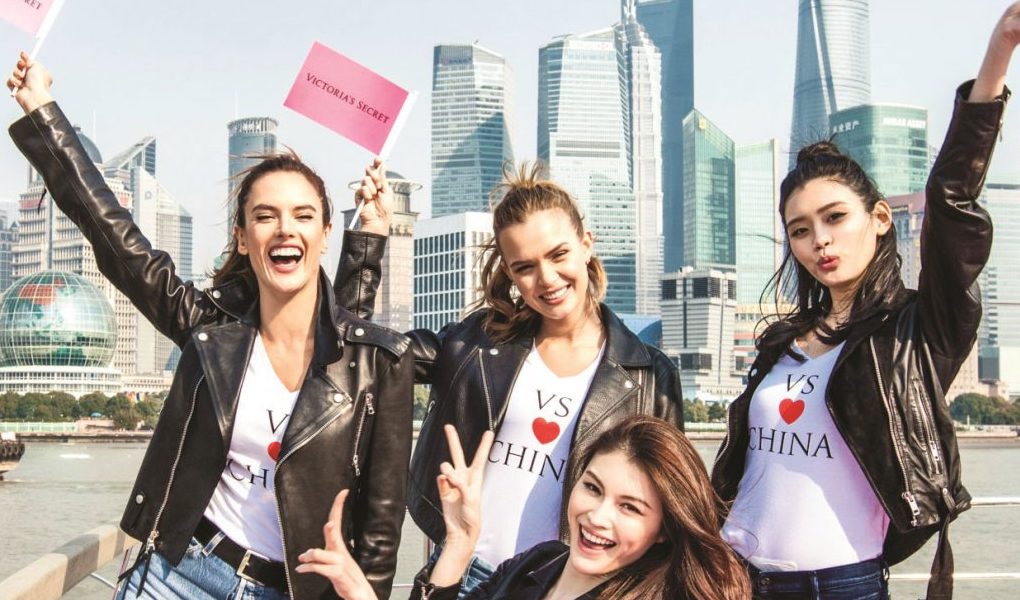
Organizing a large-scale event is not an easy task and requires a lot of preparation, especially when this event takes place in China. It may seem mysterious to most people, but organizing an event in China requires courage and organization, so many barriers are there. Brands do not want to be discouraged. The organizer of an automobile event in China remains a unique opportunity to enter one of the most rapidly changing markets in the world. We will see what are these main barriers and how to get around them by studying the Victoria’s Secret Fashion Showcase.
1. Get prepared with administrative formalities
China is a very procedural country and the numerous administrative formalities can discourage more than one. It is advisable to approach the preparation of the event with an open frame of mind because it is not enough to know events to hope to be successful in China. China is a unique country where even the most thought out and best-prepared plans can encounter implementation difficulties.
2. Follow the government rules
Many rules are put in place by the government to frame events and avoid any overflow. Thus, it is very important to follow all the rules precisely, even if they seem very strict. For high-profile and risky events such as the Victoria’s Secret Fashion Show, government participation will be more intense than usual. Everything must be approved, as the event itself, models, timetables… the government needs no reason to get involved and you will lose if you do not follow Chinese logic. You cannot count on the indulgence of the authorities or special treatment.
3. Respect local culture & politics
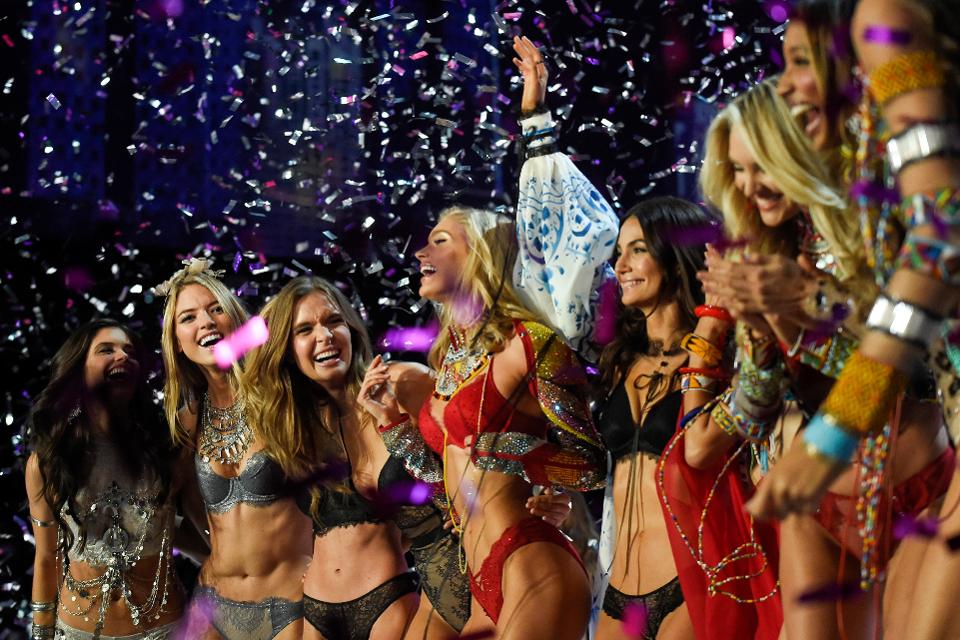
Even if you did everything right and you are in the goodwill of the government, no one can hide from a bad buzz and the slightest error relating to Chinese culture or politics can cause you trouble. Initially scheduled to perform during the 2017 VS Show, singer Katy Perry was denied a visa for showing support for the Taiwanese freedom movement. Supermodel Gigi Hadid was also denied a visa after a video appeared online about culturally inappropriate behavior. If you have anything to blame yourself for, the event can simply be canceled.
4. Choose the date carefully
Learn about the intricacies of the Chinese emotional calendar; certain dates are already important for Chinese people and it may be inappropriate to choose the date of an event incorrectly. Stay informed of government gatherings as no events are allowed during these periods. Take your time to choose the right date, between local sudden issues, Chinese holidays and events, and government meetings.

5. Do not neglect local relations
Brands should take the time to develop relationships with local officials before planning an event and avoid hosting large-scale events from the start. Chinese officials need to get to know you to build trust in the long term. In many cases, if your brand has developed sufficiently strong relationships with the locals, any bureaucratic problem that may arise during the planning process can be easily resolved.
6. Use digital marketing to promote your event
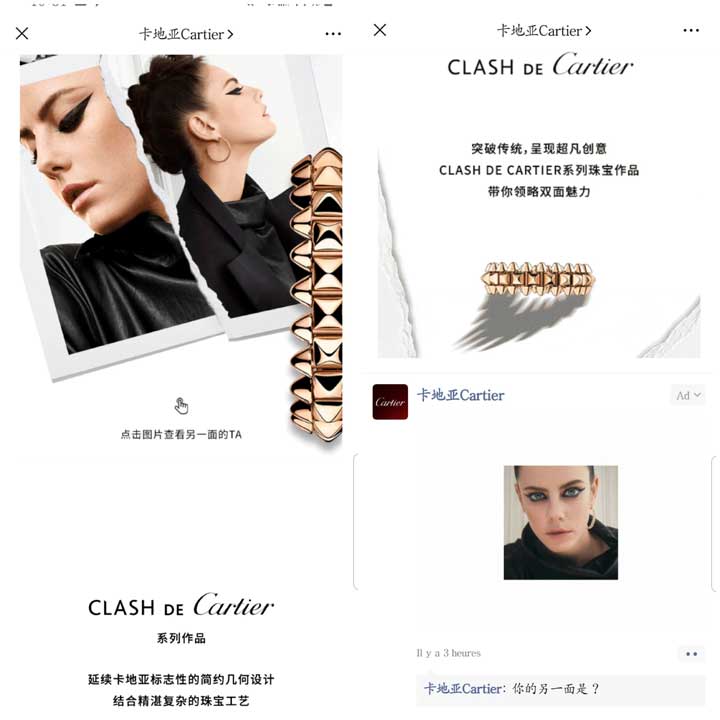
Nowadays, digital marketing is non-negotiable when it comes to promoting your event. There are many ways to get ready. Use the WeChat mini-program to share your events information with your followers. Use Weibo to widespread the news of your event. Tease it on live-streaming apps. Prepare WeChat H5 to make sure people that visit your events can easily access your listing, price, contact info, have Kols mentioning you on XiaoHongShu, etc. Do not hesitate to contact us here to get more info on how to digitally promote you’re coming even in China and maximize the outcomes.
Conclusion on Victoria’s Secret Success in China
Victoria’s Secret is known for working with the same international team to organize all of its events. Although the members of their team are certainly experts in the management of fashion shows, holding an event in China is not the same as in the rest of the world. A lot of brands often think that copying and pasting their strategy in a foreign country will be enough, but everything you’ve been prepared for this event is useless if you choose to ignore the local culture and politics… If you follow the rules and pay close attention to your relationships while staying constantly informed about what’s going on in the country, you increase the chances that your event will be a success.
More about luxury events and lingerie in China:
- How Can Luxury Events Improve your Awareness in China
- Victoria’s Secret Adores Chinese Supermodels
- Could Victoria’s Secret Win The Chinese Market?
- Underwear Distributors in China (Wholesalers, Retailers)
- The lingerie’s market is open for foreign brands in China
- How to Market your High-End Lingerie Brand in China
- China Lingerie market