
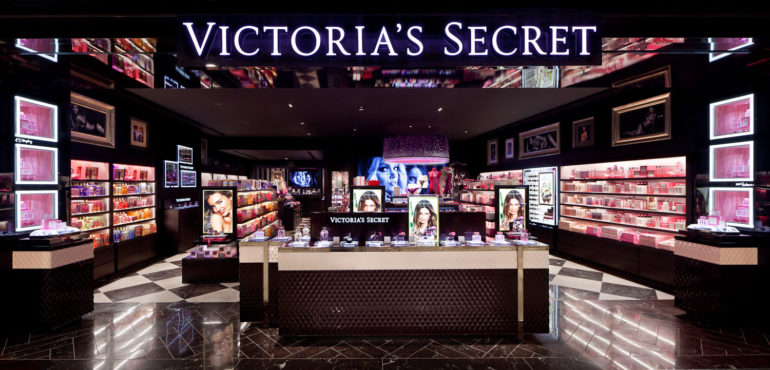
Victoria’s Secret entered the Chinese market selling only accessories, but significant demand from young lingerie consumers quickly emerged in the country. In 2015, the brand opened its first physical store in Shanghai, the first of a long series. We are going to enter into Victoria’s Secret world to better understand its success in the Chinese lingerie market.
Leave nothing to luck
On 2,500 square meters of surface bordered by a fuchsia pink facade, the store was quick to offer more and more diverse and varied creations for young lovers of trendy underwear. It is located on Huaihai Road near Xintiandi; the location has not been left to chance since this area is famous for shopping.
Read Also: China Lingerie market
Underwear for everyone
The brand offers hundreds of varied models, ranging from some very sexy and sensual to others more neutral and comfortable. There are also accessories and pajamas, enough to meet Chinese demand and appeal to all modern women. The brand is therefore positioned in the high-end segment and everything suggests that young Chinese women are ready for more sophisticated models at higher prices.
A revival in the expectations of Chinese women
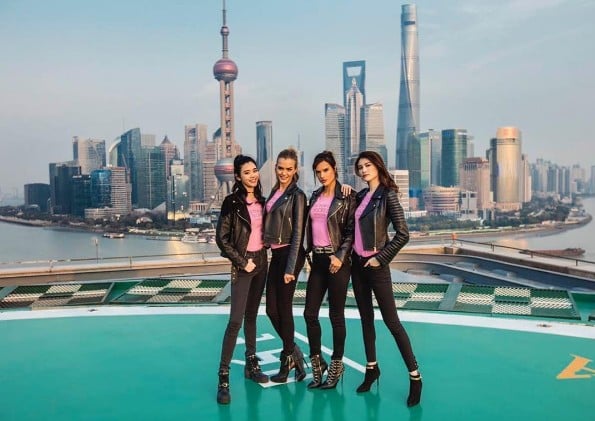
Globalization and two decades of rapid economic growth have somewhat changed the way of thinking of young women, who are more and more in search of delicate lingerie allowing them to assert themselves and to accept their bodies. Young Chinese’s taste for Western styles is constantly growing. They are indeed more and more demanding and in search of novelty and originality, up to the choice of their lingerie. Shanghai store manager Joey Chio says:
“There is a desire to keep pace with international fashion” – Joey Chio
Communication as a success factor
The brand’s success also depends on its communication; to rebrand Victoria’s Secret and adapt its strategy to China, the brand chose Chinese actresses Zhou Dongyu and Yang Mi as new brand ambassadors. A series of campaigns with the message “Sexy like this” was then created to redefine contemporary women by finding the right balance between sexy and comfort.
A memorable show
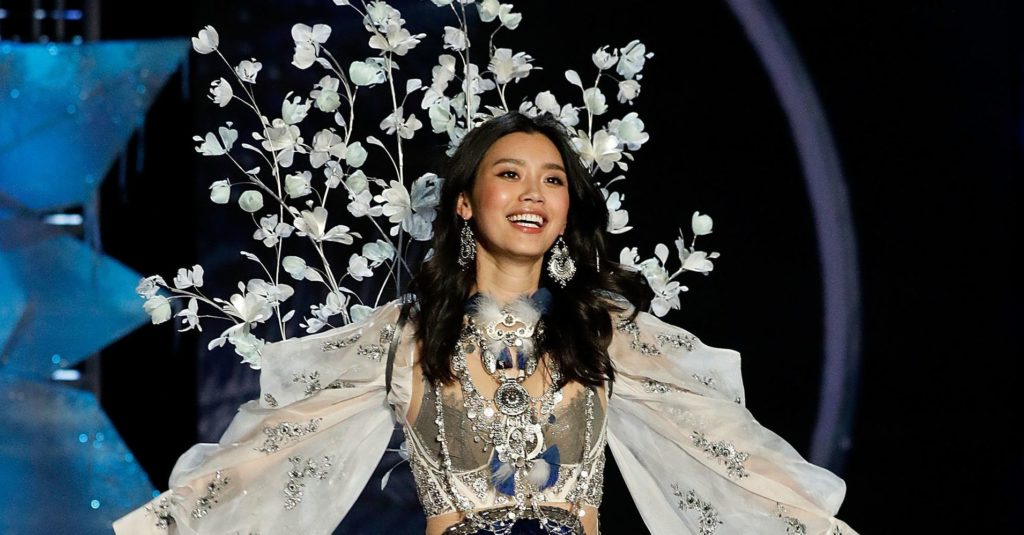
The realization of this success resulted in the organization of the Victoria’s Secret Fashion show in 2017, which was a real success. This event was the scene of an involuntary buzz when the Chinese model Ming Xi lost balance and fell in full show. She knew how to get up while smiling and resumed her parade with a class that left no one indifferent. Even more, thousands of Chinese people praised her professionalism on Weibo, making interesting publicity for the brand itself.
Victoria’s Secret Already 20 shops in China
Today the brand intends to expand its empire by opening new stores in the country to meet demand everywhere in China. The lingerie market in China represents a total value of around 30 billion dollars, more than double compared of the American market; demand is therefore growing and could represent a good opportunity for other brands wishing to conquer the Chinese market. Lingerie is rising slowly and more and more women are paying attention to this market. The competition is not yet very strong, so this is the right time to hope to launch its lingerie brand in China.
Don’t forget the promotion
If you want to get started, you don’t need to have a physical store like Victoria’s Secret. You can choose to launch yourself on a Chinese e-commerce platform, such as TMall, Taobao which works well for lingerie, or even JD.com. You can choose to get started on XiaoHongShu (Little Red Book), which is particularly popular with young Chinese women for fashion brands. If you are a luxury brand, try to integrate the TMall Luxury Pavilion! Once you have selected the platform that suits you, create an official account on WeChat and Weibo to build your community and interact with your customers and thus make them loyal in the long term.
More about Victoria’s Secret in China and the Chinese lingerie market:
- Victoria’s Secret Adores Chinese Supermodels
- Could Victoria’s Secret Win The Chinese Market?
- 6 Rules to Plan a Fashion Event in China: The Victoria’s Secret Fashion Show Case Study
- Underwear Distributors in China (Wholesalers, Retailers)
- The lingerie’s market is open for foreign brands in China
- How to Market your High-End Lingerie Brand in China
1 comment
Carson Pesa
This is a topic that’s near to my heart… Best wishes! Exactly where are your contact details though?